Groundbreaking research reveals that beetroot dramatically enhances circulation and stamina in older adults, offering a natural, potent boost to vitality and physical endurance. This vivid root vegetable’s nitrate content improves blood flow and oxygen efficiency, promising transformative health benefits — a scientific breakthrough with urgent implications for aging populations worldwide.
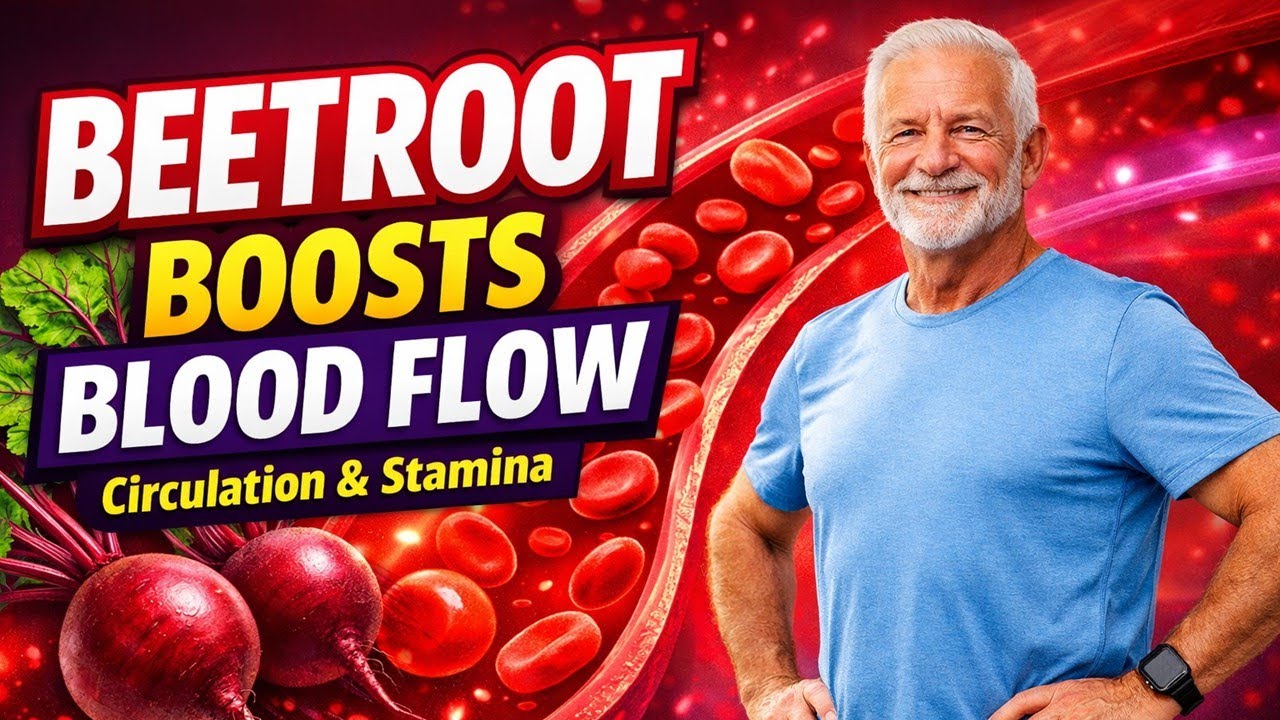 Beetroot, often overlooked as a simple root vegetable, conceals remarkable power beneath its deep crimson exterior. For centuries, it has been treasured in traditional medicine for boosting energy and health. Now, modern science validates these ancient claims, uncovering how this humble vegetable acts as a natural enhancer of two critical bodily functions: blood circulation and stamina.
At the heart of beetroot’s beneficial effects is nitric oxide, a vital molecule that relaxes blood vessels and improves blood flow. The nitrates found abundantly in beetroot convert into nitric oxide within the body, causing vessels to dilate, reducing blood pressure, and amplifying oxygen delivery to tissues and organs.
Enhanced blood circulation is more than a medical statistic; it translates into warmer extremities, sharper cognitive function, and more robust organ health. Better blood flow means every cell receives nutrients and oxygen more efficiently, laying the foundation for improved overall vitality that older adults desperately need to maintain health and independence.
Beetroot’s impact extends powerfully into stamina and endurance. Muscles demand vast amounts of oxygen during physical activity, but beetroot reduces the oxygen required for the same effort, thanks to improved mitochondrial efficiency. This means older adults can sustain physical activity longer without fatigue, combating limitations often linked to aging.
Scientific studies underscore that beetroot juice can lower blood pressure significantly within hours. This immediate effect supports cardiovascular health, a crucial factor in reducing risks such as heart disease and stroke, which are leading threats among seniors. The evidence is compelling and demands urgent attention from health professionals and aging individuals alike.
Beyond nitrates, beetroot offers a synergy of nutrients critical for health. It includes iron, vital for oxygen transport in blood; antioxidants called betalains that fight inflammation and muscle soreness; folate for cell repair; and potassium that stabilizes muscle and heart function. Together, these nutrients fortify the body against the declines of aging.
Incorporating beetroot into daily diets is straightforward. From raw in salads to roasted, boiled, or juiced forms, beetroot adapts to various tastes and lifestyles. Juice and powdered supplements deliver concentrated nitrate doses, making them convenient options for older adults seeking to enhance stamina, circulation, and overall vigor.
Safety is paramount, especially for seniors with underlying health conditions. Those on blood pressure medication or with low blood pressure must consult healthcare providers before regular beetroot consumption to prevent excessive drops. Pregnant women and kidney stone sufferers should also approach beetroot intake cautiously due to potential risks.
The phenomenon of beeturia, where urine or stool turns pinkish after beet consumption, is harmless but noteworthy. This benign sign showcases the beetroot pigments passing through the system, reaffirming the body’s absorption and utilization of its powerful compounds without adverse effects.
Experts emphasize consistency for lasting gains. Consuming beetroot regularly over weeks integrates its health benefits deeply into the body’s systems. For boosting exercise endurance, timing matters—about two to three hours before physical activity is optimal, allowing nitrate conversion to nitric oxide to peak during exertion.
This discovery introduces a game-changing nutritional approach for older adults aiming to reclaim strength and energy. Beetroot serves as a natural ally, enhancing blood flow and metabolic efficiency without pharmaceutical side effects. The urgency to disseminate this knowledge is high, promising a simple solution to complex age-related health challenges.
Healthcare providers and nutritionists are being called upon to recognize beetroot’s role in aging wellness regimes, encouraging patients to adopt this potent vegetable as a standard recommendation. This shift could revolutionize preventive care and rehabilitative strategies, emphasizing natural, accessible interventions.
The surge in interest reflects a broader movement toward food-based medicine. Beetroot’s clinically validated benefits exemplify how nature’s pantry holds keys to enduring health, especially as populations worldwide age rapidly. This breakthrough reshapes how we perceive diet’s role in longevity and quality of life.
Researchers urge further investigation into beetroot’s full potential and the optimization of its derivatives for therapeutic applications. As evidence mounts, the demand for beetroot-based supplements and clinical protocols grows, spurring innovative avenues in geriatric healthcare and sports medicine.
The remarkable beetroot underscores a vital message: profound health improvements can come from simple, natural sources. As older adults face the inevitability of physical decline, interventions like beetroot consumption provide a beacon of hope, accelerating efforts to enhance life quality sustainably and cost-effectively.
In conclusion, beetroot is far more than a colorful vegetable; it is a scientific revelation offering dramatic improvements in circulation and endurance. Its ability to relax blood vessels and enhance oxygen usage equips older adults with a renewed capacity to navigate physical challenges and preserve autonomy in daily living.
The time has never been more urgent for older adults and caregivers to embrace beetroot’s benefits. This unassuming root holds extraordinary potential to redefine aging, enabling millions worldwide to experience heightened energy, reduced fatigue, and improved cardiovascular resilience.
As this story unfolds, it becomes clear that beetroot merits a central place in dietary recommendations and public health strategies targeting aging populations. Its powerful biochemical effects align perfectly with the urgent need to promote sustainable health and combat age-related decline naturally.
Beetroot’s journey from ancient folk remedy to modern scientific marvel is a beacon of hope signaling a shift toward proven, natural health boosters. Embracing it could transform how we approach aging, turning back the clock on stamina and circulation challenges with vibrant, crimson-colored life force.
Stay tuned as researchers continue to unlock more secrets of beetroot’s health-enhancing properties. This breakthrough is just the beginning of a revolution in how diet can influence aging, making a compelling case for urgent action among health professionals and older adults alike.