Japanese honeysuckle (Lonicera japonica) is a fragrant flowering vine traditionally used in East Asian herbal practices for centuries.
Although it is considered invasive in some areas, the plant’s flowers and young leaves have long been valued in traditional wellness routines — especially in Chinese herbal medicine.
Today, interest in Japanese honeysuckle continues to grow because of its natural antioxidant and soothing properties.
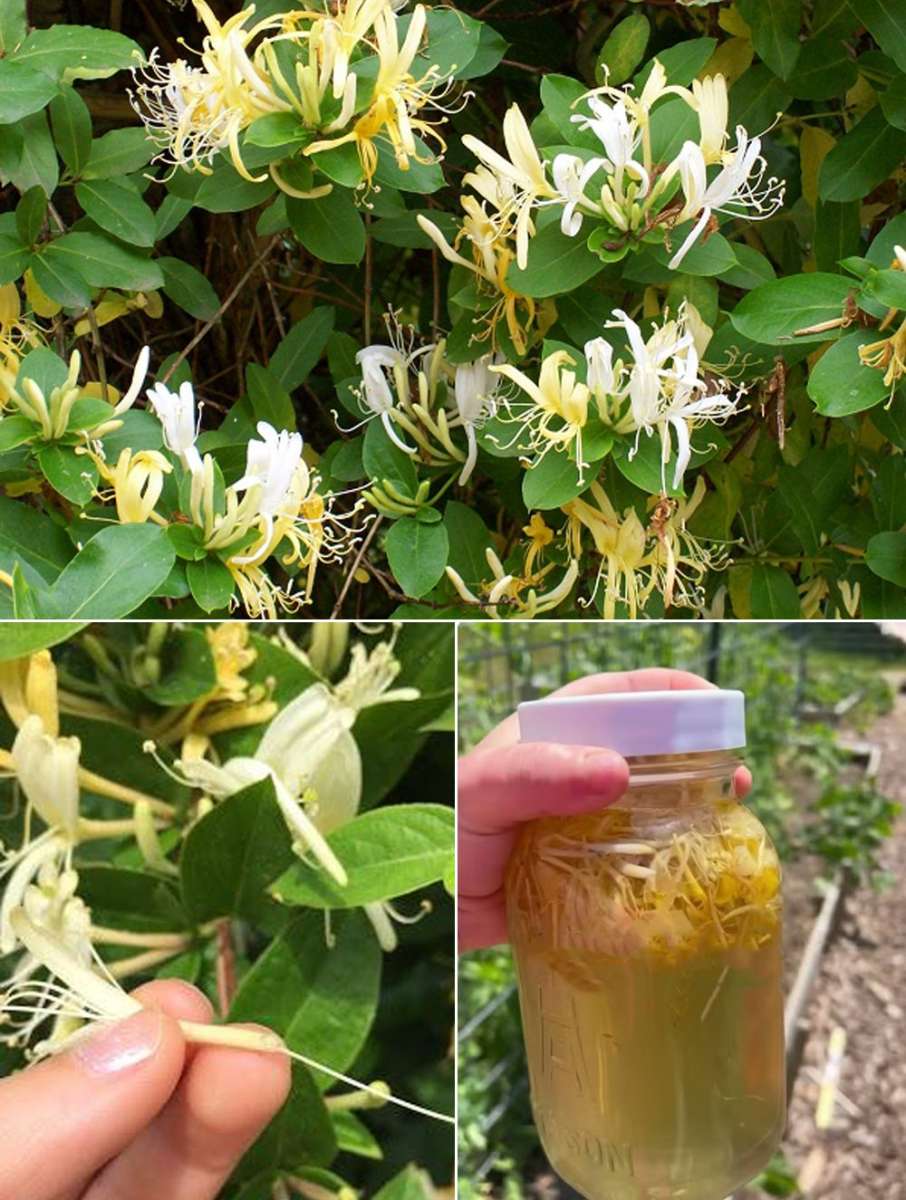
🌼 What Is Japanese Honeysuckle?
Japanese honeysuckle is a climbing vine known for its sweet-smelling white and yellow flowers.
Traditionally, the flowers and leaves have been used in teas, skin preparations, and herbal infusions.
⚠️ Important:
The berries are considered toxic and should never be eaten.
✅ Potential Health Benefits of Japanese Honeysuckle
While more human research is needed, early studies and traditional practices suggest Japanese honeysuckle may offer several wellness-supporting properties.
1. May Help Support the Immune System
Japanese honeysuckle contains plant compounds such as chlorogenic acid and flavonoids, which have antioxidant properties.
These compounds may help support the body’s natural immune response.
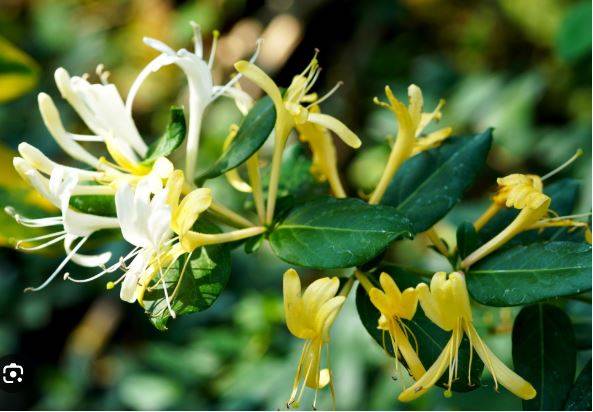
2. Traditionally Used for Cold and Sore Throat Support
In traditional herbal medicine, honeysuckle tea has commonly been used during cold and flu season.
Its soothing properties may help:
- Ease throat discomfort
- Support respiratory comfort
- Promote hydration
3. May Provide Anti-Inflammatory Support
Some plant compounds found in honeysuckle may help reduce inflammation in the body.
This may be helpful for:
- Mild skin irritation
- Minor joint discomfort
- Temporary throat irritation
4. May Support Skin Comfort
When used externally, cooled honeysuckle infusions have traditionally been applied to:
- Minor rashes
- Small skin irritations
- Bug bites
Its soothing effect may help calm sensitive skin.
5. May Help Promote Relaxation
Many people enjoy honeysuckle tea as a calming herbal drink.
Although it is not a sleep aid, its warm and soothing nature may help support relaxation.
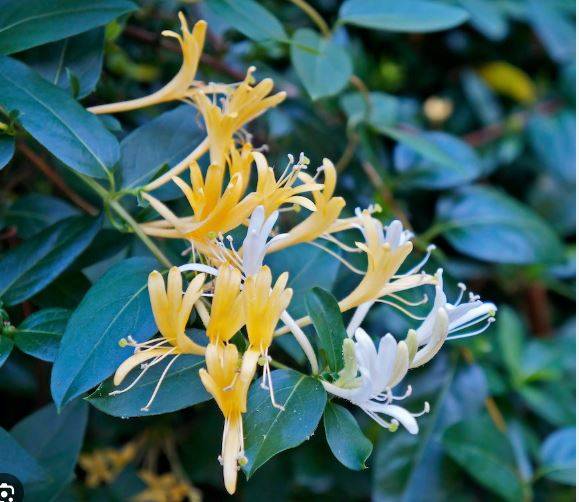
🏡 Simple Homemade Uses
🍵 Honeysuckle Tea
Ingredients
- 1 tablespoon dried honeysuckle flowers
- 2 cups hot water
Directions
- Add flowers to hot water
- Steep for 10–15 minutes
- Strain before drinking
👉 Traditionally used during cold season or for general wellness support.
🍯 Simple Honey Herbal Syrup
Ingredients
- 1 cup honeysuckle flowers
- 1½ cups water
- ½ cup honey
Directions
- Simmer flowers in water for 15 minutes
- Strain the liquid
- Stir in honey while warm
- Refrigerate in a sealed glass jar
🛁 Herbal Bath Soak
A warm honeysuckle bath may help:
- Soothe dry skin
- Promote relaxation
- Create a calming experience
Simply steep dried flowers in hot water and add the strained liquid to bathwater.
⚠️ Safety and Precautions
Japanese honeysuckle is not appropriate for everyone.
Please keep these precautions in mind:
- Never consume the berries
- Avoid use during pregnancy or breastfeeding unless advised by a healthcare provider
- Stop use if irritation or allergic reactions occur
- Herbal products may interact with medications
If you have health conditions or take prescription medications, consult a qualified healthcare professional before using herbal remedies.
❗ Important Reminder
Japanese honeysuckle is not a cure for disease.
Although traditional practices and early research are promising, more scientific studies are needed to confirm many of its potential effects.
Herbal remedies should support — not replace — professional medical care.
💡 Final Thoughts
Japanese honeysuckle is more than just a fragrant vine.
From soothing teas to simple skin applications, it has a long history in traditional wellness practices.
Used carefully and responsibly, it may be a gentle addition to a balanced, healthy lifestyle.