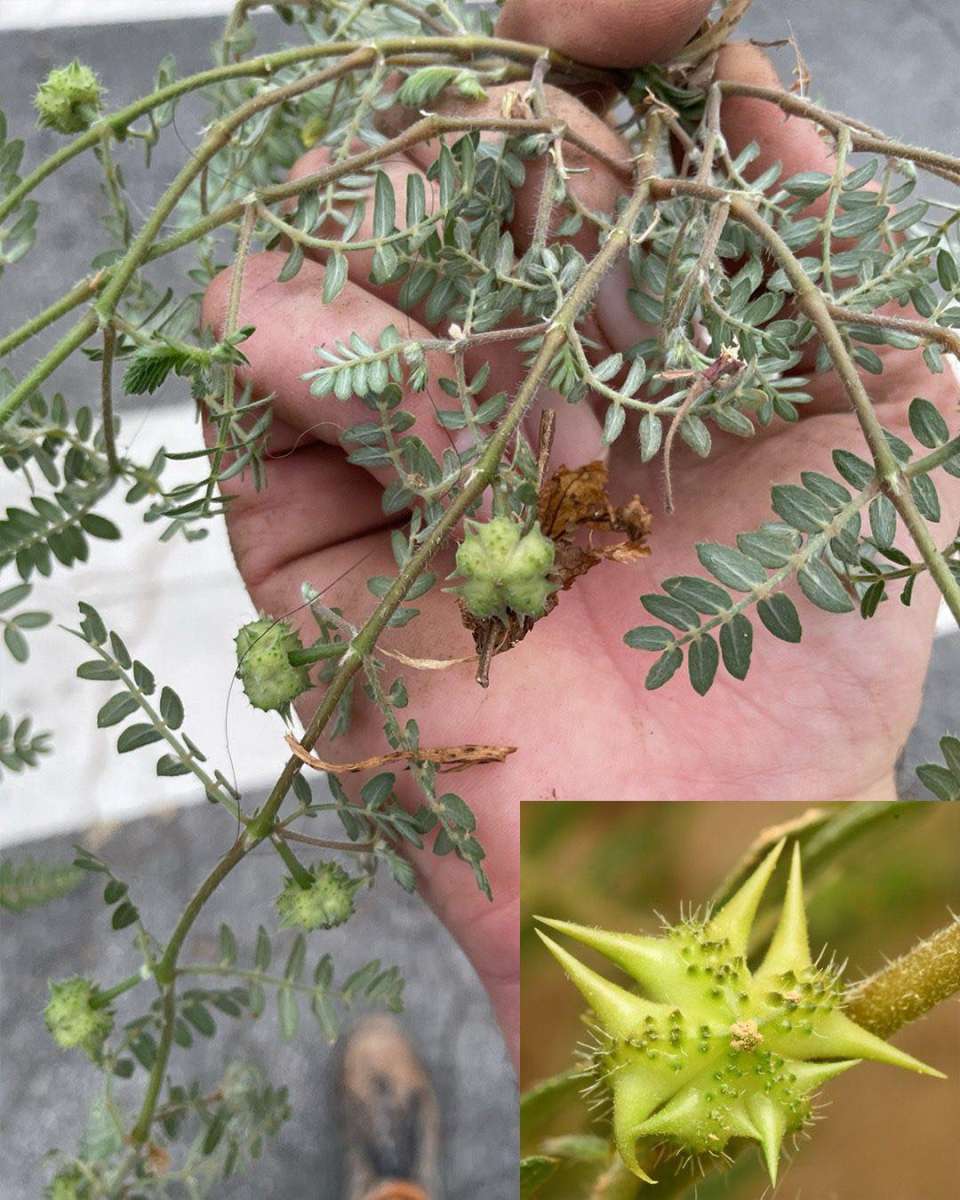
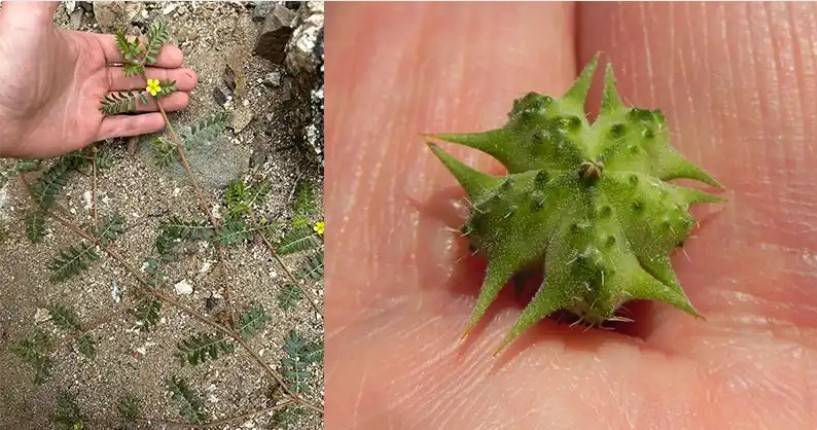
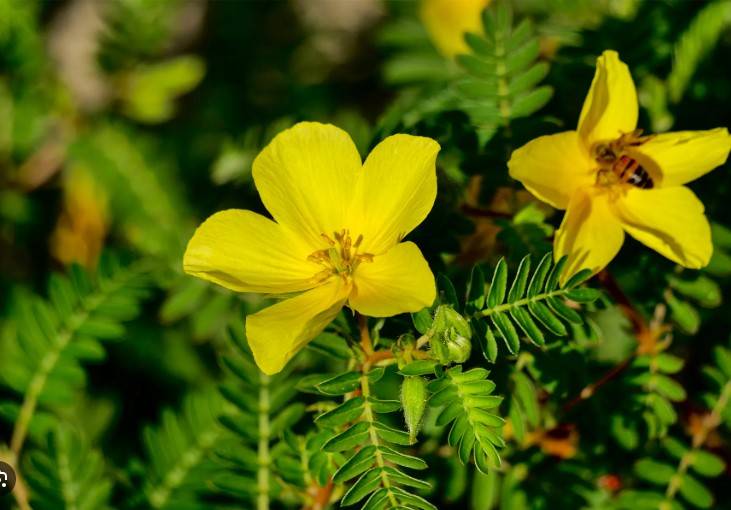
For many people, puncture vine is simply an annoying weed. Its thorny seed pods cling to shoes, bicycle tires, and pet fur, making it one of the most recognizable roadside plants in warm climates.
But in traditional herbal practices across parts of Asia, the Mediterranean, and Eastern Europe, the fruit of the plant has long been used in wellness remedies focused on vitality, circulation, and urinary support.
Known scientifically as Tribulus terrestris, puncture vine continues to attract interest in modern herbal research — although experts note that scientific evidence for many traditional uses remains limited and mixed.
What Part of the Plant Is Traditionally Used?
While the leaves, stems, and roots have occasionally appeared in folk remedies, herbal practitioners have historically focused most attention on the fruit — the small spiny seed pod.
The fruit contains naturally occurring plant compounds including:
- Steroidal saponins
- Flavonoids
- Alkaloids
- Antioxidant compounds
These substances are believed to contribute to the plant’s traditional wellness uses.
Traditional Uses of Puncture Vine Fruit
1. Vitality and Physical Performance
In many traditional systems, puncture vine fruit has been used to support stamina and general physical vitality.
Some athletes and supplement users also take it as part of fitness routines, although research on performance benefits has produced inconsistent results.
2. Libido and Reproductive Wellness
Historically, the fruit has been associated with sexual wellness in both men and women.
Some small studies have explored its possible influence on libido and reproductive health, but researchers say larger clinical studies are still needed before firm conclusions can be made.
3. Urinary and Kidney Support
Traditional herbal medicine has also used puncture vine for urinary comfort and fluid balance.
In some cultures, teas made from the fruit were consumed as part of general urinary wellness practices.
4. Antioxidant Activity
The fruit contains antioxidant compounds that may help protect cells from oxidative stress, a process linked to aging and chronic disease development.
5. Circulation and Cardiovascular Interest
Some preliminary research suggests compounds in Tribulus terrestris may influence blood vessel function and circulation.
However, experts caution that herbal remedies should never replace medically recommended treatments for heart conditions or blood pressure management.
What Does Modern Research Say?
Scientific interest in puncture vine has increased in recent years, especially regarding:
- exercise performance,
- hormone-related effects,
- metabolic health,
- and sexual wellness.
Still, medical experts emphasize that evidence remains mixed.
Some studies report mild benefits in certain groups, while others show little or no significant effect. Researchers also note that supplement quality and preparation methods vary widely.
Because of this, puncture vine is generally viewed as a traditional herbal supplement rather than a medically established treatment.
How the Fruit Is Traditionally Prepared
Drying the Fruit
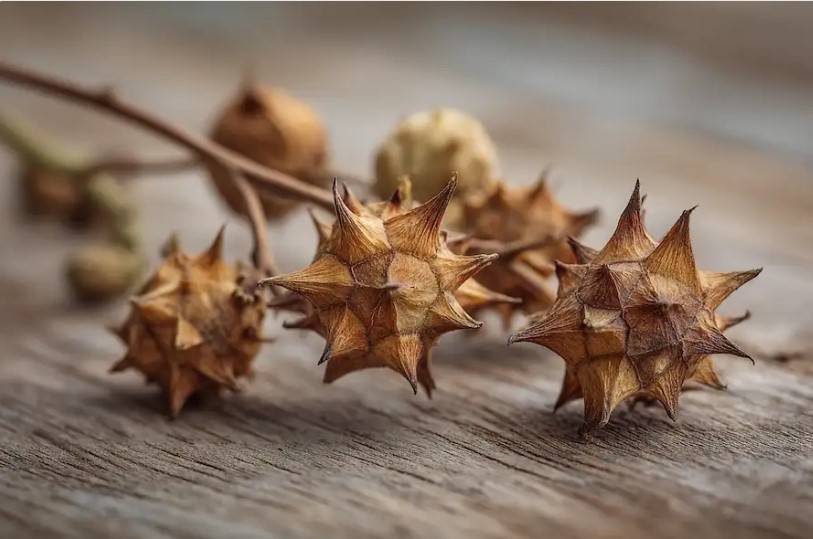
Traditionally, the fruit is harvested once fully dry and brown. Because the seed pods contain sharp spines, thick gloves are usually recommended during handling.
The pods are often:
- air-dried in a ventilated area,
- stored in sealed containers,
- and protected from moisture and direct sunlight.
Traditional Homemade Preparations
Herbal Decoction
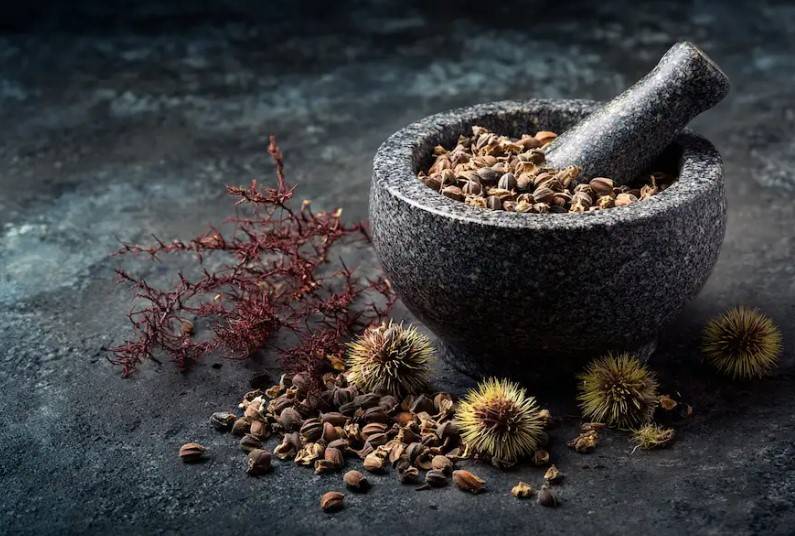
A traditional preparation involves simmering crushed dried fruits in water for several minutes to create a mild herbal tea.
Powdered Form
Dried fruits may also be ground into powder and mixed with honey or warm water in small amounts.
Herbal Tincture
Some herbalists prepare alcohol-based extracts by soaking dried fruit in vodka or another alcohol solution for several weeks.
Because herbal potency can vary, moderation is generally advised.
Safety Considerations
Although puncture vine is natural, that does not automatically mean it is safe for everyone.
Health experts recommend caution because the herb may interact with:
- blood pressure medications,
- diabetes medications,
- hormone-related treatments,
- and certain cardiovascular drugs.
It may also cause side effects in some individuals, including:
- digestive discomfort,
- headaches,
- or sleep disturbances.
Pregnant or breastfeeding individuals are generally advised to avoid herbal supplements unless approved by a healthcare professional.
A Plant That Continues to Spark Interest
Puncture vine remains one of the more debated herbs in the wellness world. Supporters point to its long history in traditional medicine, while researchers continue studying its potential effects and limitations.
For now, experts recommend approaching the herb with realistic expectations, careful moderation, and professional medical guidance when necessary.
Disclaimer
This article is intended for informational and educational purposes only and should not be considered medical advice. Herbal remedies may affect individuals differently. Always consult a qualified healthcare professional before using Tribulus terrestris or any supplement, especially if you have existing medical conditions or take prescription medications.