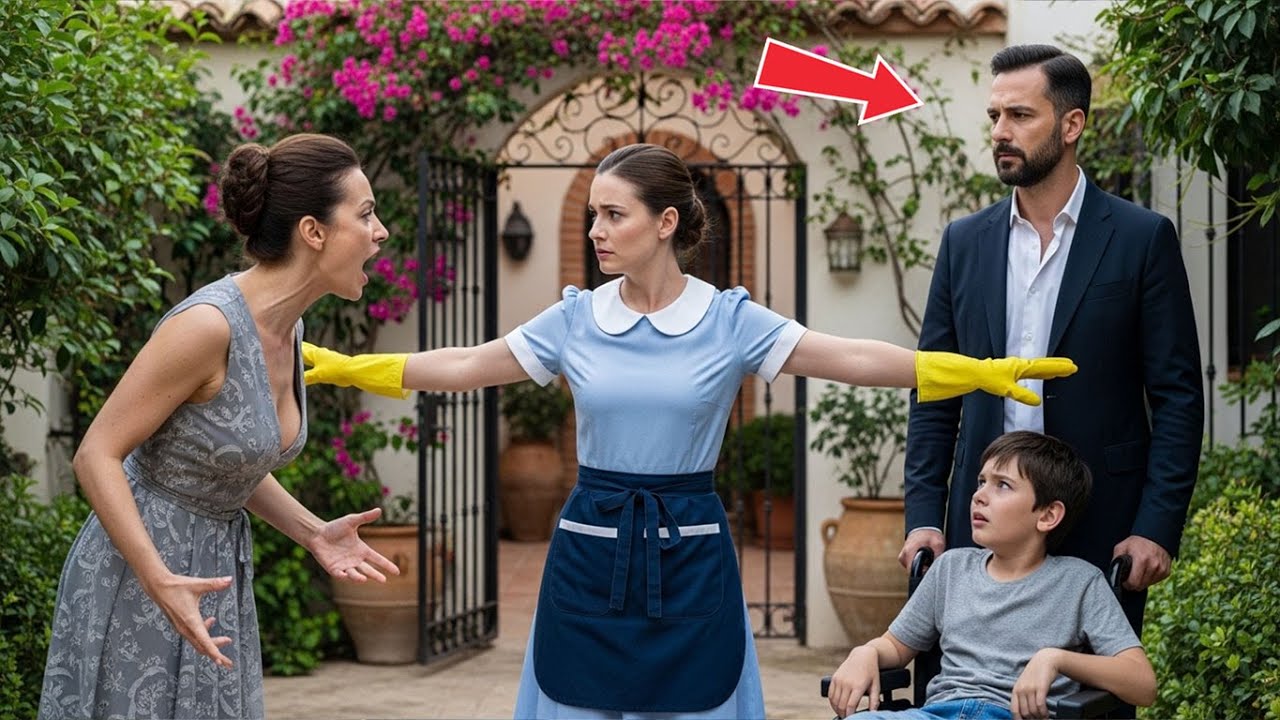
Kiedy zobaczyłem na ukrytych kamerach, jak moja narzeczona krzyczy na moje dziesięciomiesięczne bliźnięta, żeby przestały płakać, wiedziałem, że pieniądze mogą kupić wszystko oprócz prawdziwego serca. Radosław Wiśniewski nigdy nie przypuszczał, że jego idealne życie zamieni się w cichy koszmar. W wieku trzydziestu ośmiu lat zbudował hotelowe imperium, które sięgało od Warszawy po Zakopane. Dwieście milionów euro na koncie, willa o powierzchni tysiąca metrów kwadratowych w najbardziej ekskluzywnej dzielnicy stolicy, luksusowe samochody w garażu i szacunek całej polskiej elity.

Żadne z tych rzeczy nie miało jednak znaczenia od tamtej wrześniowej nocy, gdy jego świat runął na sali porodowej. Karolina, jego żona, kobieta, którą kochał od dwudziestego roku życia, urodziła dwoje pięknych bliźniąt: Stanisława i Weronikę. To były najszczęśliwsze piętnaście minut w jego życiu, gdy po raz pierwszy trzymał swoje dzieci, widział ich zamknięte oczy, delikatne rączki. Potem przyszły komplikacje, krwotok, biegnący lekarze i najbardziej bolesna cisza, jaką kiedykolwiek słyszał.
Karolina zmarła trzy godziny po porodzie, zostawiając Radosława całkowicie zdruzgotanego z dwójką noworodków. Pierwsze miesiące były piekłem nieprzespanych nocy, późnych butelek i niekończącego się płaczu. Zatrudnił najlepsze nianie w Warszawie, ale sam zajmował się wszystkim, czym mógł. Kąpał bliźnięta, karmił, śpiewał im te same piosenki, które wybrała Karolina.
Nic nie było ważniejsze niż Stanisław i Weronika. Izabelę Górską poznał na gali charytatywnej w Hotelu Europejskim. Była wysoka, elegancka, miała czarne włosy opadające na ramiona. Modelka i influencerka z dwoma milionami obserwujących, trzydzieści dwa lata, wyrafinowana singielka.
Podeszła do niego z kieliszkiem szampana i wyćwiczonym uśmiechem, mówiąc, że czytała o jego historii i podziwia jego siłę. Radosław, wciąż wrażliwy po stracie Karoliny, szukał pocieszenia. Izabela zawsze mówiła właściwe słowa, uwielbiała dzieci, zapewniała, że Stanisław i Weronika są urocze. Chciał w to wierzyć.
Musiał w to wierzyć. Bliźnięta potrzebowały matczynej figury, a on potrzebował nie być sam. Dwa miesiące temu Izabela zaczęła spędzać więcej czasu w willi. Pozowała do zdjęć z dziećmi, zawsze perfekcyjnie umalowana, pisała o swojej pięknej rodzinie.
Ale Radosław dostrzegał drobne dziwne rzeczy. Gdy bliźnięta płakały, Izabela wzywała nianię. Nigdy sama nie brała ich na ręce, jeśli mogła tego uniknąć. Gdy Stanisław splunął jedzeniem na jej sukienkę, odsuwała się z widocznym niesmakiem.
Kiedy Weronika płakała podczas wideorozmowy, Izabela zamykała drzwi z zniecierpliwieniem. Tłumaczyła, że wszystkie dzieci w tym wieku dużo płaczą, że to normalne. Ale Radosław widział, jak jej oczy twardnieją, gdy dzieci domagają się uwagi. To Agnieszka Kwiatkowska, dwudziestodziewięcioletnia pomoc domowa, pierwsza zasiała ziarno wątpliwości.
Pracowała u Radosława od trzech lat, przyjechała z małej wsi na Podhalu. Była naturalnie piękna, miała kasztanowe włosy i miodowe oczy, ale nie używała tej urody. Odkąd urodziły się bliźnięta, stała się nieoceniona. Wiedziała, jak kołysać Stanisława do snu, że Weronika woli niebieski smoczek.
Przewidywała, kiedy dzieci są głodne, zanim zaczęły płakać. Pewnego październikowego popołudnia Radosław wrócił wcześniej ze spotkania i usłyszał głos Izabeli w salonie. Rozmawiała przez telefon. Jej głos był całkowicie inny od tego słodkiego tonu, którego używała wobec niego.
Mówiła, że potrzebuje co najmniej sześciu miesięcy, że najpierw musi jej się oświadczyć, że te przeklęte dzieci ciągle płaczą. Mówiła, że dobrze udaje, że zdjęcia wyszły idealnie, że obserwatorzy mają obsesję na punkcie kochającej macochy. A kiedy się pobiorą, wyśle dzieci do internatu w Szwajcarii, bo nie zamierza rujnować sobie figury ani wychowywać bachorów innej kobiety. Pieniądze są tego warte, setki milionów.
Musi być tylko cierpliwa. Radosław stał jak wryty. Wycofał się cicho, siedział w samochodzie dwadzieścia minut, próbując przetworzyć to, co usłyszał. Tego wieczoru obserwował Izabelę nowymi oczami.
Uśmiechała się, dotykała jego dłoni, mówiła o przyszłości, ale on czuł mdłości. Następnego ranka skontaktował się z dyskretną firmą ochroniarską. W ciągu dwudziestu czterech godzin zainstalowano sześć ukrytych kamer w całej willi, z transmisją na żywo do jego telefonu i laptopa. Potem ogłosił, że musi lecieć do Gdańska na spotkanie z inwestorami, że będzie poza domem pięć dni.
Izabela powiedziała, że będzie bardzo tęsknić, ale w jej oczach Radosław dostrzegł ulgę, a nie smutek. Prosił, by została i zaopiekowała się dziećmi. Zapewniła go, że będą szczęśliwą rodziną. Nie poleciał do Gdańska.
Zarezerwował dyskretny apartament po drugiej stronie Warszawy pod fałszywym nazwiskiem. Stamtąd, z otwartym laptopem, miał obserwować prawdę. Pierwszego dnia o ósmej rano widział Izabelę w kuchni, pijącą kawę, zrelaksowaną. Agnieszka przyszła w uniformie, na którym nalegała Izabela.
Izabela nawet nie podniosła wzroku, odesłała ją do płaczących dzieci. Agnieszka weszła do pokoju bliźniąt, a Radosław widział swoje dzieci stojące w łóżeczkach, wyciągające rączki. Agnieszka mówiła do nich ciepło, całowała, kołysała, śpiewała góralską kołysankę. Bliźnięta natychmiast się uspokoiły.
Radosław poczuł ukłucie w piersi. Widział, jak Agnieszka zmienia im pieluchy, jak łaskocze ich brzuszki, jak dzieci się śmieją. Widział, jak przygotowuje im śniadanie, a Izabela rozmawia przez telefon, mówiąc, że wyjedzie za niego na wiosnę, że to będzie ślub roku, a potem bachory pójdą do internatu. Agnieszka zastygła, słysząc te słowa, ale nic nie powiedziała.
Izabela kazała jej zanieść dzieci do pokoju zabaw, bo nie chciała ich słyszeć. Agnieszka posłuchała, ale Radosław słyszał, jak szepcze dzieciom, że nakarmi je tam, że będą mieli swoje specjalne śniadanie. Przez następne godziny Agnieszka bawiła się z bliźniętami, budowała wieże z klocków, czytała książeczki, chwaliła każde osiągnięcie. O jedenastej Izabela wyszła do centrum handlowego, zostawiając dzieci na siedem godzin.
Agnieszka zajęła się wszystkim: nakarmiła, wykąpała, uśpiła bliźnięta. Kiedy Stanisław obudził się z płaczem po koszmarze, wzięła go na ręce, szepcząc, że jest bezpieczny, że go chroni. Izabela wróciła o ósmej wieczorem z trzema torbami z luksusowych sklepów, lekko pijana. Zrobiła zdjęcia dzieciom na Instagram, mówiąc, że Radosław poprosił o zdjęcia, żeby myślał, że jest cudowną narzeczoną.
Radosław słyszał to wszystko. Tej nocy obserwował, jak Agnieszka układa bliźnięta do snu, śpiewa góralską kołysankę, całuje je w czoła. Wiedział już wszystko: Izabela nigdy więcej nie postawi stopy w jego willi, a Agnieszka była odpowiedzią na modlitwę, o której nie wiedział, że odmawia. Drugi dzień był gorszy.
O siódmej rano bliźnięta zaczęły płakać z głodu. Agnieszka utknęła w drodze, a Izabela wyszła z sypialni z rozczochranymi włosami i krzyczała na dzieci, żeby były cicho. Radosław patrzył, jak jego dzieci płaczą przestraszone, jak Izabela grozi Agnieszce zwolnieniem, jeśli nie zjawi się za dziesięć minut, jak wychodzi, zatrzaskując drzwi. Bliźnięta płakały same przez piętnaście minut.
Radosław miał łzy wściekłości, ale musiał udokumentować wszystko. Agnieszka przybiegła taksówką, wzięła dzieci na ręce, przepraszała, karmiła je drżącymi rękami, obiecując, że nigdy więcej nie zostawi ich z nią same. Po południu Izabela odebrała telefon i zamruczała: cześć przystojniaku. Radosław słyszał, jak umawia się na wieczór, bo pomoc domowa wyjdzie, a bachory będą spały.
O szóstej zwolniła Agnieszkę wcześniej, grożąc, że powie Radosławowi, że źle pracuje. O dziewiątej zadzwonił dzwonek. Do willi wszedł Jarek, kierowca Radosława, człowiek, który pracował dla niego przez lata. Izabela rzuciła się w jego ramiona.
Pili najlepsze wino z kolekcji Radosława, planowali, jak podzielą jego fortunę, obiecywali sobie wspólną przyszłość na Kajmanach. Na górze bliźnięta płakały przez pół godziny, całkowicie ignorowane. Radosław nagrywał każdą sekundę. O jedenastej w nocy dzieci znów płakały.
Izabela weszła na górę, powiedziała im, że nikt ich nie chce słuchać, i zamknęła drzwi. Radosław zadzwonił do swojego prawnika, prosząc o przygotowanie dokumentów zwolnienia dla Jarka i zbadanie przeszłości Izabeli. Potem zadzwonił do Agnieszki. Była prawie północ.
Odebrała zaniepokojona, pytając, czy coś się stało dzieciom. Radosław poprosił, żeby przyszła rano o szóstej i zaufała mu. Zgodziła się bez wahania. W środę o szóstej rano Agnieszka weszła do willi.
Znalazła bałagan po nocy Izabeli i Jarka. Stała chwilę nieruchomo, a potem zrobiła zdjęcia pustych butelek i kieliszków, zanim posprzątała. Radosław był zdumiony jej lojalnością. Na górze dzieci miały brudne pieluchy po całej nocy.
Agnieszka wzięła je na ręce, przepraszała, jakby to była jej wina. Izabela wstała dopiero o jedenastej z kacem. Nie zapytała o dzieci. Radosław podjął decyzję.
Zadzwonił do willi ze zablokowanego numeru, podając się za menedżera hotelu i prosząc Izabelę, by przyjechała do biura w centrum miasta w sprawie rezerwacji karty kredytowej. To było kłamstwo, ale miało trzymać ją z dala od willi na kilka godzin. Pojechała. Radosław wszedł służbowymi drzwiami.
W ogrodzie znalazł Agnieszkę na kocu ze Stanisławem na kolanach i Weroniką goniącą motyla. Miała we włosach polne kwiaty, które dzieci jej tam wsadziły. Jej twarz promieniała szczęściem. Kiedy zobaczyła Radosława, podskoczyła.
Myślała, że jest w Gdańsku. Dzieci wyciągnęły do niego rączki. Radosław powiedział jej prawdę: nigdy nie wyjechał, obserwował wszystko przez kamery. Widział, jak Izabela krzyczała na dzieci, jak zostawiła je same, jak zdradzała go z Jarkiem.
Agnieszka miała łzy w oczach. Powiedziała, że chciała mu powiedzieć, ale bała się stracić pracę. Radosław zaproponował jej posadę oficjalnej niani bliźniąt z pensją pięć razy wyższą, własnymi pokojami we wschodnim skrzydle i pełną władzą nad dziećmi. Potem poprosił, by pomogła mu być lepszym ojcem.
Agnieszka trzymała oboje bliźniąt i płakała. Powiedziała, że kocha je jak własne. Wtedy zadzwonił telefon. Wściekła Izabela krzyczała, że w całym mieście nie ma żadnego biura.
Radosław powiedział jej, że to był test, że jest w domu, że ma filmy ze wszystkiego. Kazał jej spakować rzeczy i nie zbliżać się do dzieci. Kiedy wróciła czterdzieści minut później, wdarła się do holu jak huragan. Radosław stał spokojnie z prawnikiem i ochroniarzami.
Odtworzył jej nagrania. Krzyczała, że to naruszenie prywatności, że może powiedzieć, że był szpiegowany. Ale prawnik wyjaśnił, że kamery są legalne, a Agnieszka złożyła oświadczenie pod przysięgą. Radosław oznaczył Izabelę w poście na Instagramie, tłumacząc, dlaczego związek się skończył.
Komentarze już zalewały jej konto. Izabela próbowała się bronić, mówiła, że go kocha, że zasługuje na drugą szansę. W końcu wybuchnęła: te dzieci nie są jej, to bachory jego martwej żony, chciała tylko fortuny. Radosław kazał jej zabrać walizki i odjechać.
Następne dwa tygodnie były okresem transformacji. Agnieszka przeprowadziła się do apartamentu we wschodnim skrzydle. Radosław osobiście go urządził. Agnieszka protestowała, że to zbyt luksusowe, ale on odpowiedział, że zasługuje na to.
Wieczorami dzielili kolacje. Radosław dowiedział się o jej rodzinie: ojciec hoduje owce, matka szyje sukienki, bracia chcą studiować inżynierię. Wysyła im pieniądze na edukację. Radosław potroił jej pensję i założył fundusz edukacyjny dla braci, ale jeszcze jej nie powiedział.
Bliźnięta rozkwitały. Stanisław uczył się chodzić, Weronika nazywała Agnieszkę mama Aga. Radosław nie poprawiał jej. Pewnego grudniowego popołudnia siedzieli w ogrodzie na kamiennej ławce.
Agnieszka zapytała, czy nadal myśli o Karolinie. Powiedział, że ból zmienił się w bliznę. Agnieszka powiedziała, że Karolina chciałaby, żeby był szczęśliwy. Radosław wyznał, że zaczyna coś czuć.
Agnieszka przyznała, że kocha go od miesięcy, ale myślała, że nie może konkurować z kobietami takimi jak Izabela. Radosław powiedział, że jest idealna dokładnie taka, jaka jest. Delikatnie dotknął jej policzka. Postanowili iść powoli, ze względu na dzieci.
Trzy miesiące później willa tętniła życiem. Bliźnięta miały mieć rok. Radosław i Agnieszka stali się zespołem. Pewnego dnia zadzwoniła matka Agnieszki: jej ojciec miał atak serca, potrzebował pilnej operacji, która kosztowała czterysta tysięcy.
Radosław natychmiast zapłacił i wysłał ją do rodziny. Przez pięć dni sam opiekował się bliźniętami, które płakały za mamą Agą. Szóstego dnia spakował dzieci i pojechał do jej rodzinnej wsi. Róża, matka Agnieszki, była zdumiona, widząc milionera w swoim domu.
Kiedy Agnieszka wróciła ze szpitala i zobaczyła Radosława z dziećmi w salonie rodziców, stanęła jak wryta. Bliźnięta pobiegły do niej z krzykiem mama Aga. Tego wieczoru, pod gwiaździstym niebem Podhala, Radosław wyznał jej miłość. Powiedział, że nie wyobraża sobie przyszłości bez niej.
Agnieszka powiedziała to samo. Pocałował ją. Sześć miesięcy później oświadczył się na Półwyspie Helskim, podczas rodzinnej wycieczki. Klęknął na piasku przy zachodzie słońca, z pierścionkiem z diamentem i szmaragdami w kolorze jej oczu.
Powiedział, że nie chce, by była nianią jego dzieci, ale jego żoną. Agnieszka płakała i mówiła tak raz za razem. Dwa tygodnie przed ślubem w mediach wybuchła sprawa Izabeli. Dziennikarz odkrył, że robiła to wcześniej trzykrotnie z zamożnymi mężczyznami w Krakowie, Wrocławiu i Poznaniu.
Zawsze ten sam schemat. Jej kariera legła w gruzach. Radosław został publicznie oczyszczony. Ślub odbył się we wrześniu na Mazurach.
Ceremonia była piękna w swojej prostocie. Bliźnięta weszły jako paziowie, Weronika głównie zjadała płatki róż. Agnieszka szła do ołtarza pod rękę z ojcem, promienna. Wymienili przysięgi, które sami napisali.
Obiecał, że będzie jej partnerem i ojcem, jakiego potrzebują ich dzieci. Ona obiecała kochać jego dzieci jak własne i przypominać mu każdego dnia, że jest kochany za to, kim jest. Kiedy urzędnik powiedział, że mogą się pocałować, Radosław ujął jej twarz w dłonie. Goście bili brawo, a bliźnięta krzyczały mama, tata.
Dwa lata po ślubie willa wibrowała nową energią. Stanisław i Weronika, teraz trzyipółletni, kłócili się przy śniadaniu o dinozaury. Agnieszka trzymała na rękach sześciomiesięcznego Mateusza Emila. Radosław całował czoło żony i każde z dzieci.
Mateusz miał miodowe oczy matki i ciemne włosy ojca. Agnieszka kochała całą trójkę jednakowo, nigdy nie robiła różnic. Bliźnięta uwielbiały młodszego brata. W niedziele mieli rodzinny dzień, bez pracy, bez rozmów biznesowych.
Tego dnia Agnieszka odebrała telefon od matki: jej brat Łukasz został przyjęty na Politechnikę Warszawską z pełnym stypendium. Rodzina Agnieszki przeprowadziła się do nowego domu, który Radosław dla nich zbudował. Po południu w Łazienkach Królewskich Agnieszka pchała wózek Mateusza, a bliźnięta biegły przed nimi, goniąc gołębie. Agnieszka powiedziała, że jest w ciąży.
Radosław podniósł ją z ziemi i obrócił. Weronika klasnęła, że chce siostrę. Stanisław mądrze zauważył, że nie można tego wybrać. Wieczorem siedzieli na tarasie.
Radosław myślał o tym, jak niszcząca strata i zdrada doprowadziły go do odkupieńczej miłości. Zapytała, czy kiedykolwiek żałuje. Powiedział, że nie zmieniłby niczego, bo każdy ból doprowadził go do niej i do ich rodziny. Weszli do domu, sprawdzili każde dziecko.
Stanisław spał wtulony w dinozaura, Weronika w poprzek łóżka, Mateusz z pięścią w ustach. Wiedzieli, że prawdopodobnie obudzą się co najmniej dwa razy przed świtem, ale czuli głęboki spokój. Nauczyli się, że ludzkie serce nie ma stałych granic, że można honorować przeszłość, jednocześnie budując przyszłość. Rodzina nie zawsze pochodzi z krwi, ale ze świadomego wyboru, by kochać się nawzajem dzień po dniu.
Stanisław i Weronika mieli dwie matki, które ich kochały: Karolinę, która dała im życie, i Agnieszkę, która dawała im miłość każdego dnia. Prawdziwy luksus nigdy nie był willą ani kontami bankowymi. Był tym, że każdej nocy kładli się spać obok kogoś, kogo wybierają i kto wybiera ich z powrotem, wiedząc, że dzieci śpią bezpieczne i kochane w pobliskich pokojach.
I to było największe bogactwo ze wszystkich.