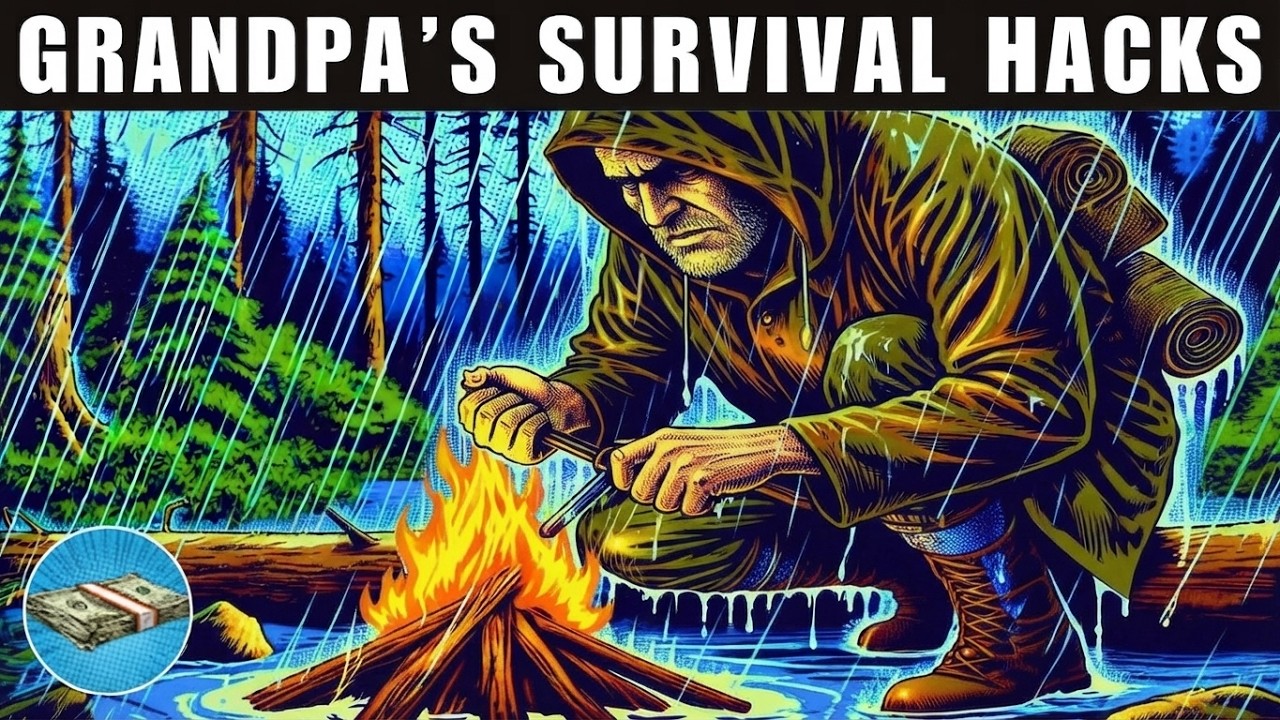
At dusk the campfire had burned down to ash and the old man had begun to talk, not about wars or inventions, but about the small things that keep a person alive when everything else falls away. He spoke of pine sap, duct tape, and the way moss grows on the north side of a tree. He spoke as someone who had been tested, and the list he passed down was not a collection of tricks but a hard-won set of rules for walking out of the wilderness alive. His first and most urgent warning concerned the plants underfoot.
Many dangerous plants, he said, look almost identical to safe ones. Poison ivy, poison oak, and deadly nightshade are among the most common threats across North America. The old reminder holds: leaves of three, let it be. When uncertain about any plant, the rule is simple, do not touch it, do not eat it, and do not assume.
Caution costs nothing; misjudging a toxic plant can cost everything. Before taking a single step deeper into unfamiliar territory, he taught leaving markers. Stacked rocks, snapped branches, or sticks arranged in arrows pointing back toward the origin. Placed at every fork and turn, they form a breadcrumb trail that separates the person who walks out of the woods from the one who spends three nights lost and panicking.
If night falls without a flashlight, pine sap can light the way. It is highly flammable and burns with surprising steadiness. A sturdy stick wrapped tightly with dry bark, cloth scraps, or leaves and coated generously with sap becomes a torch that burns long enough to get through the dark. Not a parlor trick, he insisted, but a genuine off-grid light source.
For starting a fire, not all bark is equal. Birch and cedar bark are exceptional because they contain natural oils that ignite quickly, even when slightly damp. Peel thin strips and shred them between the hands to increase surface area, then tuck them beneath a tinder bundle. A single spark can become a flame in seconds.
Knowing which trees produce good kindling bark is the difference between a warm night and a freezing one. Cold ground, he warned, is one of the most underestimated threats. It drains body heat faster than cold air alone. The solution is to gather evergreen branches, pine, spruce, or fir, and layer them at least six inches thick with the needles facing upward.
This natural mattress insulates the body from the cold earth and provides a far more restful night than bare soil ever would. If one does accidentally brush against poison ivy, the old remedy is to collect cool, dry ashes from the campfire and mix them with enough water to form a thick paste. Applied directly to the affected skin, the alkaline nature of the wood ash helps neutralize the irritating oils left behind. It is not a prescription cream, but out in the wild with nothing else available, it brings real relief.
Water purification can be accomplished with nothing more than sunlight. Fill a clear plastic or glass bottle with water filtered of visible debris and lay it flat in direct sunlight for at least six hours. The UV radiation kills bacteria, viruses, and parasites. On overcast days, leave it out for closer to two full days.
It is completely chemical-free and requires nothing more than a clear container and patience. Duct tape, he said, has bailed people out of situations that would have ended badly otherwise. It patches a torn tent in the rain, seals a wound temporarily, secures a makeshift splint, repairs broken gear, and helps construct an emergency shelter. A small flattened roll takes almost no space and weighs practically nothing.
Never leave home without it, the old man insisted, and he had a point. A rope is only as useful as one’s ability to tie it under pressure. Three knots are essential: the square knot for joining two ropes, the bowline for creating a secure loop that will not tighten under load, and the clove hitch for fastening a rope to a tree or post quickly. Practice until they can be tied in the dark with cold hands, because when they are needed, there will be no time to remember the steps.
For minor burns, Epsom salts offer meaningful relief. The magnesium sulfate draws heat out of burned tissue, reduces swelling, and calms pain. Dissolve a few tablespoons in cool water, soak a clean cloth, and apply it as a compress for fifteen to twenty minutes. It does not replace professional treatment for serious burns, but in the field it brings real comfort.
Many people get survival priorities backwards by thinking of food first. Shelter comes first, the old man insisted. Exposure kills far faster than hunger. Look for natural shelter first: rock overhangs, dense tree canopies, cave entrances.
If none exist, build a simple lean-to with branches propped against a tree and layered with leaves for waterproofing. Choose the location carefully, avoiding low spots that flood and dead branches overhead that could fall in wind. A quality multi-tool packs pliers, a knife blade, scissors, screwdrivers, a file, and sometimes a saw into something small enough to fit in the palm. In a wilderness emergency it handles an astonishing number of tasks: cutting cordage, opening containers, making repairs, processing food, building traps.
Owning one and leaving it at home when heading outdoors is a mistake. When water is temporarily unavailable and thirst begins to creep in, chewing a small amount of coffee grounds stimulates saliva production. The bitterness and caffeine trigger that response, making the mouth feel less parched. It is not a replacement for actual hydration, not even close, but as a short-term measure to maintain focus while working on finding water, it genuinely takes the edge off.
Basic first aid is not optional. Before going anywhere remote, learn how to clean and bandage a wound, how to create a splint from sticks and cloth, how to recognize the symptoms of hypothermia, heat stroke, and severe dehydration, and how to respond to each. Carry a small kit with antiseptic, bandages, and pain medication. The difference between a minor injury and a life-threatening one often comes down entirely to what a person knows and whether they have even basic supplies.
A strange folk remedy for diarrhea involves a tablespoon of plain white flour mixed with water to form a paste. The starch helps absorb excess fluid in the intestines, slowing things down and reducing urgency. It is a temporary measure, not a cure, but in a survival situation where dehydration from fluid loss becomes dangerous quickly, buying time matters. On a clear night, the stars are among the most reliable navigation tools.
In the northern hemisphere, find the Big Dipper and draw an imaginary line through the two outermost stars of its cup shape. That line points directly to Polaris, the North Star, which sits almost perfectly above true north. In the southern hemisphere, the Southern Cross serves a similar purpose for finding south. Learn these patterns before they are needed, because studying astronomy while lost in the dark is not an ideal approach.
Mosquitoes are more than annoying; they transmit illness and disrupt the sleep the body desperately needs. Burning neem leaves slowly over a campfire produces smoke that drives mosquitoes away. The compounds released interfere with the sensory systems mosquitoes use to locate targets. Setting up this smoldering defense around the perimeter of the campsite makes for a noticeably more comfortable night.
Knowing which plants are safe to eat is one of the most empowering survival skills. Dandelions are completely edible from root to flower. Cattails provide starchy roots, pollen, and young shoots. Clover is another safe and widely available option.
When uncertain about any plant, use the universal edibility test: separate it into parts, rub a small amount on the inner wrist and wait fifteen minutes, then touch it to the lip, then place a tiny amount in the mouth. If no reaction occurs after several hours, it is likely safe. Animals need water as much as people do, and larger animals visit reliable sources regularly. Follow tracks from deer, elk, or other large animals, especially when trails converge or lead consistently downhill.
Running water almost always lies at lower elevations. Disturbed vegetation, fresh droppings near a path, or heavily worn ground are natural clues pointing toward hydration. An empty tin can is an incredibly versatile tool. Remove both lids, punch small holes around the bottom edge for airflow, and load small sticks inside.
The can acts as a concentrated heat chamber, making the fire more efficient for cooking than an open flame. A small pot can rest across the top, or food can be cooked on skewers through the open top. It is lightweight, disposable, and surprisingly effective. For crossing a river, lake, or flood zone where swimming is not safe, a log raft can get a person across.
Gather logs of similar size from fallen trees, line them up side by side, and lash them together with vines, bark strips, or paracord. Add a second layer of smaller logs across the first at right angles. Test the buoyancy before committing to open water, and use a long pole to push off the bottom in shallow areas. Prolonged sun exposure can leave a person with painful sunburn and reduced ability to function.
If no sunscreen exists, thick mud applied generously over exposed skin creates a physical barrier against UV rays. Let it dry in place for better adhesion and reapply when it flakes off. It is not elegant, but protecting the skin from the sun is a legitimate survival priority many people overlook. Finding protein is easier near water.
Cut a sturdy green branch for a rod and fashion a line from braided grass, vines, or paracord. A small bone fragment, thorn, or bent piece of wire makes a hook. Bait it with earthworms, insects, or small bits of edible plant matter and cast in calm water near the bank, submerged logs, or where the water deepens. Patience is the main requirement; fish will bite if given time.
Both garlic and raw onion contain sulfur compounds insects find genuinely unpleasant. Crush a garlic clove or slice an onion and rub the juice directly onto exposed skin. The smell to a person is nothing compared to the repellent effect on insects. Reapply after sweating or washing.
It does not create an impenetrable force field, but it measurably reduces the number of insects landing. Wet weather is when fire is most desperately needed and hardest to start. The secret is finding dry tinder first, beneath dense undergrowth, under rock overhangs, inside hollow logs, or under thick leaf canopy where rain does not penetrate. Birch bark and resin-rich conifer wood ignite even when damp.
Build a windbreak from larger logs or rocks before attempting to light the fire, and start with the smallest possible tinder, coaxing it upward to larger pieces. Pine sap is also a surprisingly effective natural glue. When collected fresh and warmed slightly, it becomes liquid and can be applied between two surfaces. As it cools and hardens, it forms a durable bond, useful for repairing cracked tool handles, sealing containers, attaching arrowheads, or patching small tears in gear.
It is one of the most multi-purpose substances growing on a tree. A slingshot is quiet, light to carry, and devastatingly effective against small game when used by someone with practice. Dense stones or metal pellets make ideal ammunition, and the quiet operation does not scare off nearby animals the way a firearm would. Small birds, rabbits, and squirrels are realistic targets for someone reasonably skilled.
Start learning now, not when the stomach is growling and the hands are cold and shaking. The ability to move quietly through the forest is genuinely valuable, whether approaching game or avoiding detection. Step onto the outer edge of the foot and roll inward slowly, bending the knees slightly to absorb impact. Avoid dry leaves and loose gravel, move slowly and deliberately, and choose foot placements with intention.
It is a skill that improves dramatically with deliberate practice. A sharp knife is arguably the single most important physical tool in wilderness survival. It processes food, cuts rope, carves tools, splits kindling, builds shelter components, and performs basic first aid. The old man’s rule was simple: if it is not sharp, it is not a knife.
A dull blade requires excessive force, making it unpredictable and dangerous. Keep a wetstone in the kit and sharpen regularly, drying the blade thoroughly after each use to prevent rust. Leaves trap air in the same way synthetic insulation does, and they are free and available throughout most forest environments. Pack dry leaves densely between outer clothing layers and the body to retain heat during cold nights.
For shelter, pile leaves thickly on the roof and pack them against the walls. The drier the leaves, the better they insulate. It sounds too simple to work well, until actually out in the cold. Moss grows in relationship to sunlight and moisture.
In the northern hemisphere, trees and rocks typically have more moss on their north-facing sides because those surfaces receive less direct sun and stay damper. This provides a rough directional indicator when no compass exists. The keyword is rough; always check multiple trees and combine the observation with other cues like where the sun rises and sets. A simple preparedness trick involves cutting a piece of sandpaper and gluing or taping it inside the lid or bottom of whatever waterproof container holds matches.
This provides a reliable striking surface that travels with the matches. Even if the box gets wet and the original striking strip becomes useless, the internal sandpaper patch means the matches can always be ignited. It takes thirty seconds to set up and lasts indefinitely. To communicate a location to rescue teams or passing aircraft, a visible smoke signal can be seen from miles away.
Build a fire with dry wood and get it burning well first, then add green leaves, damp grass, or fresh pine needles to generate thick white smoke. To send deliberate signals, cover the fire briefly with a blanket or jacket and release it in timed intervals to create distinct puffs. Three puffs is a universally recognized distress signal. Nature is constantly broadcasting weather information.
Birds flying lower than usual and clustering together often indicate dropping air pressure ahead of a storm. Bees and ants rushing back to their nests signal incoming rain. Frogs becoming more vocal can mean wet weather is approaching. None of these signs is perfectly reliable alone, but when several appear together, they should be taken seriously.
Morale matters in survival situations more than people tend to acknowledge. The routine of a hot morning drink, even a substitute, does something real for the mental state. Dandelion roots, acorns, and chicory roots can all be roasted over a fire until dark and fragrant, then ground coarsely and boiled in water and strained. The result is a warming, slightly bitter beverage that will not replace coffee but will lift the spirits and give a reason to look forward to morning.
Potatoes contain natural electrolytes that can facilitate a small electrical current when two different metals are inserted. Push a copper coin or wire into one side and a galvanized zinc nail into the other, then connect the metal ends to a small device. The current is tiny but real, enough to power a small LED or compass in a pinch. It will not charge a phone, but in the right circumstances, that little bit of power could matter.
At the top of the old man’s list stood pine sap as antiseptic, earning its place because infection is one of the most dangerous and overlooked threats in wilderness survival. A small cut that becomes infected can turn into a serious crisis within days. Pine sap contains genuine antibacterial and antifungal compounds. Collect fresh sap from a wound or scar on a pine tree, where the tree oozes resin naturally, and apply it generously over any cut, scrape, or insect bite.
The sap disinfects the wound and simultaneously seals it under a protective coating, keeping out contamination until proper medical care can be reached. The old man knew this one worked because he had used it himself, and that might be the best recommendation any survival lesson could have.