When cold weather settles in, the grocery bill climbs, the days shrink, and cooking becomes more burden than comfort. For seniors living alone, the kitchen can feel like too much work for too little reward. But a well-stocked pantry and a single pot can change that. These are the meals built for one person, one pan, and the coldest nights of the year, most costing about a dollar a serving.
The foundation of this winter kitchen is simple: frozen vegetables, canned beans, a bag of onions, and a few staples that keep for months. None of these recipes demand knife skills or long hours standing at the stove. A pot of soup warms the kitchen while it cooks, and the leftovers reheat for days. One of them, a French onion soup, uses a two-dollar bag of onions and a slice of stale bread to produce something a restaurant would charge twelve dollars for.
Another, eggs poached in tomato sauce, turns a can of tomatoes and two eggs into a full plate for about a dollar. Breakfast sets the tone. Apple cinnamon oatmeal costs less than a quarter a bowl. A pound of oats costs about a dollar and makes ten breakfasts.
In a small pot, one cup of water and a pinch of salt come to a boil, then half a cup of old-fashioned oats goes in. Chopped apple, cinnamon, and a spoonful of brown sugar simmer for five minutes until creamy. A splash of milk at the end makes it richer. It holds a person until lunch better than toast ever will, and a double batch reheats in the microwave in two minutes.
Lentil soup skips the overnight soak that puts many people off beans. A chopped onion and carrot cook in oil for five minutes, then one cup of dried lentils, four cups of water or broth, salt, cumin, and a bay leaf simmer for thirty minutes until tender. The bay leaf comes out, a little lemon juice goes in, and four bowls are ready for about forty cents each. The protein matches a piece of chicken, and the soup only gets thicker and better by the third day.
Egg fried rice puts yesterday’s leftovers to work. Cold rice fries better than fresh because the dried grains will not turn to mush. Two eggs scramble in a hot skillet, then two cups of cold cooked rice, frozen peas and carrots, and soy sauce stir-fry for five minutes until the rice crisps at the edges. Any leftover meat or vegetable in the refrigerator can go in.
It makes a full plate in less time than a frozen dinner takes to heat. A can of tuna becomes two melts, each carrying as much protein as a chicken breast. The tuna mixes with mayonnaise, mustard, and chopped pickle or celery, spreads on bread, tops with cheddar, and broils for three minutes until the cheese bubbles. Canned tuna keeps for years in the cupboard, which is why it belongs on the shelf before the first snow.
Sloppy Joes were built for a tight budget. Half a pound of ground beef browns with onion, then ketchup, brown sugar, mustard, and a splash of vinegar simmer for five minutes until thick. That half pound makes four servings, so the meat costs about seventy cents a plate. It freezes well, and a spoonful over a baked potato makes a second supper from the same pan.
Black bean soup costs about a dollar fifty for the beans and makes four bowls of one of the most filling soups there is. Two cans of beans with their liquid, broth, cumin, and chili powder simmer for fifteen minutes, then half the beans mash against the side of the pot to thicken it. Sour cream or lime finishes it. Beans keep a person full for hours, which matters when the kitchen is cold and getting up for a second supper is the last thing anyone wants.
Boxed macaroni and cheese costs more per serving than the real thing, and the real thing takes fifteen minutes. One cup of elbow macaroni boils, then a roux of butter and flour takes milk and turns it into a smooth cheese sauce. Two generous servings come together for about a dollar each, with no oven and no baking dish to wash afterward. The skillet meals fill the middle of the week.
Kielbasa, potato, and cabbage starts with browning half a pound of sliced kielbasa, then diced potatoes and onion cook covered for ten minutes, and finally a half head of sliced cabbage goes in for another ten until it is soft and sweet. A whole head of cabbage costs about two dollars and keeps in the refrigerator for weeks, a winter staple long before anyone called it a budget vegetable. Split pea soup fed families through the leanest winters of the last century, and a bag still costs about a dollar. One cup of dried peas, water, onion, carrot, and a ham hock if available, or salt and smoked paprika if not, simmer for forty-five minutes until the peas fall apart.
A pound of split peas makes eight bowls for about fifteen cents each. A pot on a Sunday afternoon settles the question of supper for most of a week. A rotisserie chicken stretches into three meals when the last one is soup. The leftover meat comes off the bones, the bones simmer with onion, carrot, celery, and water for forty minutes, then rice and the chicken meat cook twenty minutes more.
This makes six bowls from what most people throw away, and a bowl of it on a cold night does what it has always done for a body that feels run down. The tuna noodle skillet is the supper for the day the roads are too icy for the store. Every ingredient keeps in the cupboard or freezer for months, and a can of cream of mushroom soup is the sauce, so there is no flour to whisk. Four servings cost about eighty cents each, and keeping the ingredients on the shelf all winter means there is never a night without something warm.
Minestrone is what Italian grandmothers made from whatever the week left behind. Onion and carrot cook in oil, then diced tomatoes, beans with their liquid, broth, herbs, and salt simmer for fifteen minutes. Small pasta and any vegetables about to turn go in for ten more minutes. It empties the vegetable drawer before anything spoils and makes six bowls for less than a dollar each.
The oven earns its keep in the second half. Sheet pan chicken thighs and root vegetables use the cheapest cut of chicken, which stays juicy no matter what. Potatoes and carrots chunk up on a baking sheet with oil, salt, and pepper, two bone-in thighs lay on top, and everything roasts at 425 degrees for forty minutes until the skin crisps. One pan, no stirring, and the oven warms the kitchen while it works.
The leftover thigh makes tomorrow’s chicken and rice soup. Unstuffed cabbage skillet tastes like cabbage rolls but takes twenty-five minutes instead of an afternoon. Ground beef browns with onion, then chopped cabbage, diced tomatoes, rice, water, and seasonings simmer covered for twenty minutes. The tomatoes keep the rice from drying out when it reheats, and one pan on Sunday covers two suppers in the week.
Ham and potato soup is where the last of a holiday ham goes. Diced potatoes and onion simmer in water until soft, half of them mash against the pot to thicken it, then diced ham and milk heat through for five minutes. Four bowls cost about seventy-five cents each, made with one pot on a night when standing at the stove is the last thing anyone wants. Cottage pie skips the crust entirely.
Mashed potatoes spread over browned ground beef with peas, carrots, and gravy, then bake for twenty minutes until the top browns. Reheats as if it were fresh, and a fork is the only tool the whole supper needs. One pot chili costs about four dollars and makes five bowls that taste better on the second day than the first. It freezes in single portions for a month.
Chili is a full meal in one bowl, exactly what a cold weeknight calls for. Skillet chicken pot pie puts refrigerated biscuits from a tube on top of creamy chicken and vegetables in an oven-safe skillet. No rolling pin, no sore wrists, and the biscuits soak up the gravy underneath. Beef stew uses the cheapest cut of beef, and slow heat turns it tender because the long simmer melts the tough parts into gravy.
One pound of chuck browns after being tossed in flour and salt, then broth, carrots, potatoes, and a bay leaf simmer on the lowest heat for an hour and a half until the beef falls apart. Six servings for about a dollar fifty each, and freezing half means three more suppers wait for the coldest nights. A loaded baked potato is a whole supper if dressed like one. On the nights when even one pot feels like too much, a potato bakes in the oven for an hour or microwaves in eight minutes, then piles on whatever is left in the refrigerator: chili, cheese, leftover sloppy joe, broccoli, or just butter and pepper.
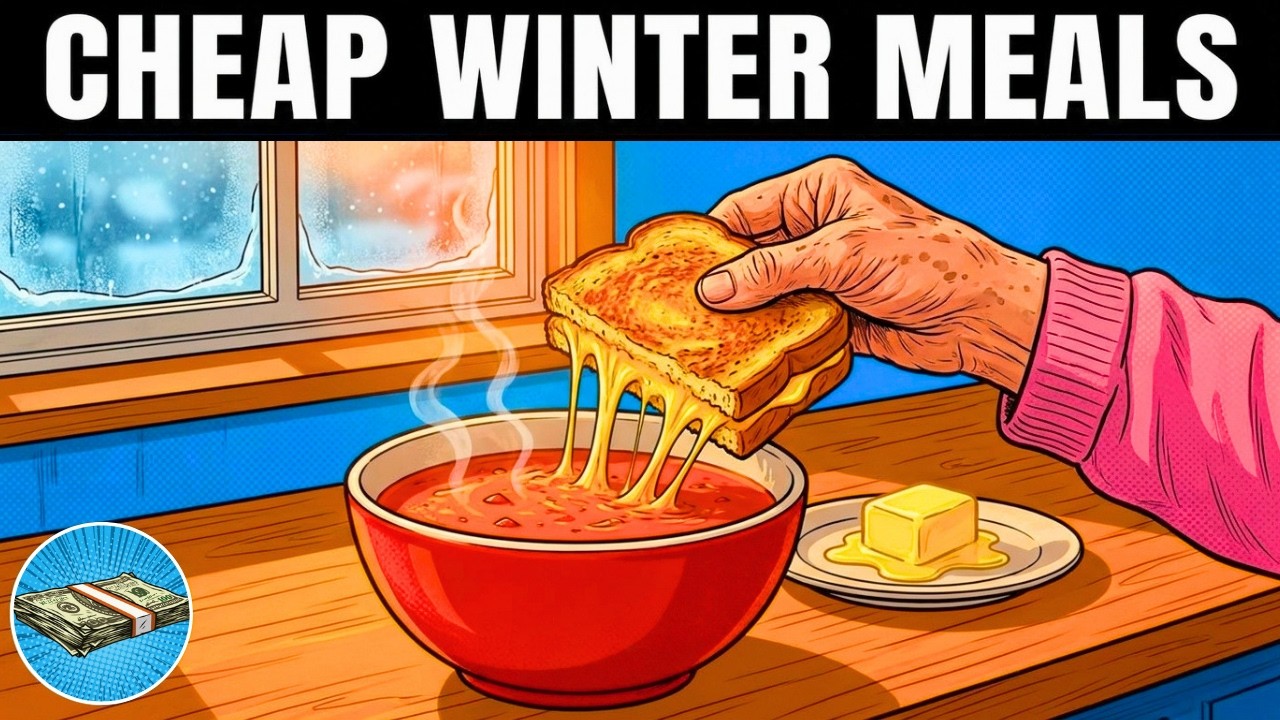
A five-pound bag costs about four dollars, so the potato itself is about thirty cents. Grilled cheese and tomato soup got a generation through winter, and it still works. The soup cooks a chopped onion in butter, then crushed tomatoes, milk, sugar, and salt simmer for ten minutes. The sandwich butters the outside of two slices of bread, puts cheddar between them, and cooks three minutes per side.
Dunking one into the other is the whole point. Chicken and dumplings is the supper that says the weather outside can do what it likes. Broth simmers with cooked chicken and frozen vegetables, then a soft dough of flour, baking powder, salt, melted butter, and milk drops by the spoonful onto the simmering pot. Fifteen minutes with the lid closed and the dumplings puff up like little biscuits and thicken the broth as they go.
The dumplings need no rolling, no cutting, and no special pan. French onion soup requires thirty patient minutes with three sliced onions in butter over medium-low heat, turning their sharpness into sweetness until they turn deep brown. Beef broth and a splash of vinegar simmer for ten minutes, then ladle into an oven-safe bowl, float a slice of stale bread on top, cover with Swiss or cheddar, and broil until the cheese bubbles. A two-dollar bag of onions makes four bowls that taste like a restaurant charged twelve dollars for them.
Baked apples with oats make dessert without a trip to the bakery. Two cored apples fill with oats, brown sugar, cinnamon, and soft butter, then bake for thirty minutes at 375 degrees. The whole dish costs about a dollar, the kitchen smells like a bakery, and warm milk poured over the top is the way it was always served. These twenty-five meals, most under a dollar a serving, were each built for one person, one pot, and a cold night.
Keep a bag of onions, a bag of potatoes, a few cans of beans and tomatoes, and a box of oats on hand, and there is not a night this winter without something warm on the table.