A single wasp can turn an ordinary summer afternoon into a panic, and most people reach for chemical sprays that fill the air with fumes and leave a lingering smell. But there was another way, one practiced by a grandmother who raised five children in a house with a wasp nest the size of a basketball under the porch roof, and never once called an exterminator. Everything she used was already sitting in her kitchen cabinet or on her pantry shelf. The ingredients most households already own, used in the right combination and at the right time, could clear a nest completely and keep wasps from ever returning.
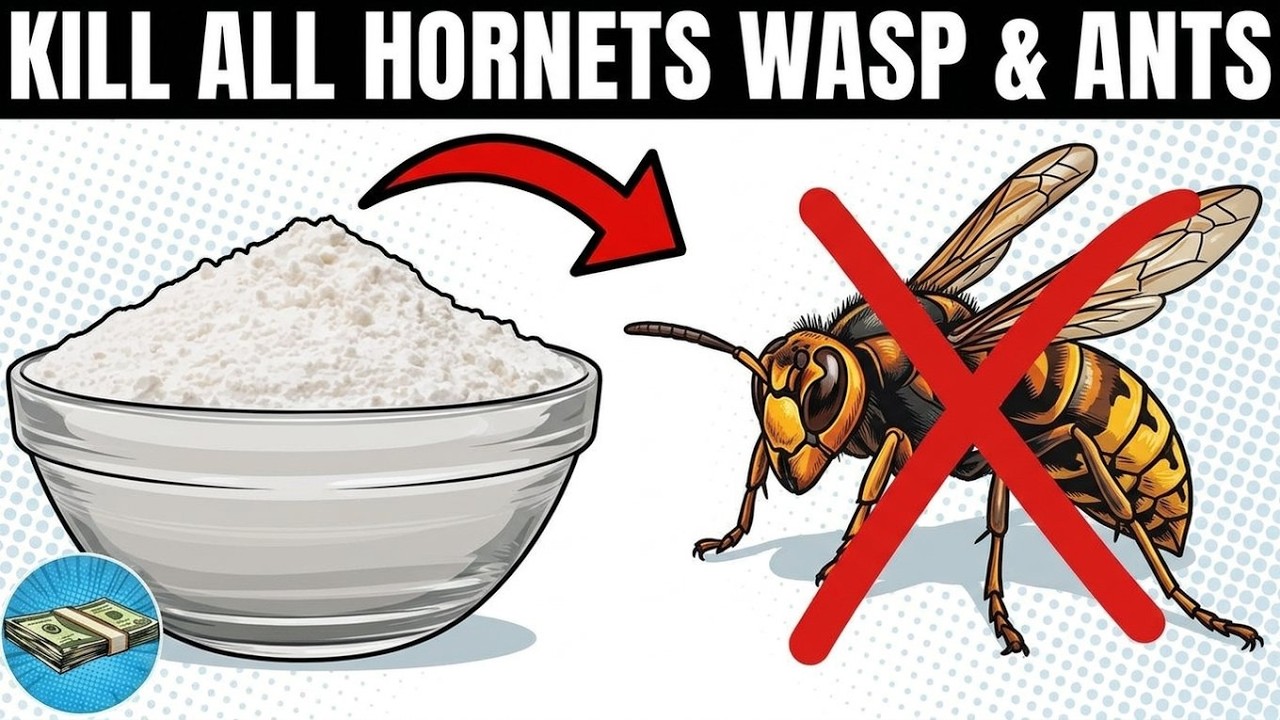
The fastest way to kill a single wasp that wanders into a house is remarkably simple. Two tablespoons of dish soap mixed with one cup of water in a spray bottle, shaken until fully combined, brings a wasp down in seconds with a single direct hit. The soap breaks down the waxy coating that protects the insect’s body and clogs the tiny breathing holes along its sides, called spiracles. Without that coating and without air, the wasp is finished within moments.
Keeping a bottle by the back door all summer handles the stray wasps that drift in through an open door, without chemical fumes or lingering odors. Prevention starts before the wasps ever arrive. Equal parts white vinegar and water, misted around door frames, window sills, and patio furniture, overwhelms the way wasps navigate and communicate with each other. Reapplied every few days in early spring, it convinces scouts looking for a nesting spot to skip the house entirely.
For those that do arrive, a trap built from an empty soda bottle does the work overnight. Cutting the top third off the bottle, flipping it upside down, and taping it back in place creates a funnel shape that is easy to fly into and almost impossible to fly back out of once their wings get wet. The bait that fills that trap fast is one cup of water, half a cup of sugar, two tablespoons of apple cider vinegar, and a few drops of dish soap. The soap breaks the surface tension, so once the wasps land, they sink.
The trap should hang at least thirty feet from anywhere people gather, about four feet off the ground, because the bait pulls wasps in from a wide area and that traffic should stay far away from the porch and the children. Timing matters more than almost anything else, and most people get it completely wrong. Late summer and fall, the bait must switch to overripe fruit. Fermenting sugar releases a scent wasps find almost impossible to resist once the colony shifts from hunting protein to craving sugar for the winter ahead.
In spring, the opposite is true. Early in the season, the colony is feeding protein to its larvae, so a bit of raw meat, lunch meat, or even canned cat food fills the trap. Matching the bait to the season makes the trap work; mismatching it leaves the trap empty and the user confused. Simple household items keep wasps away from gathering spots.
Slices of cucumber laid on aluminum foil release something wasps find repulsive, even though humans cannot smell it. Citrus peels placed around problem areas work because of a natural compound called limonene, which smells pleasant to people and is exactly the smell wasps avoid. Crushed mint leaves rubbed on table legs repel wasps during backyard gatherings, and a lemon cut in half and studded with whole cloves sits near the dinner table, smelling good to humans while genuinely repelling wasps. A blend of ten drops each of peppermint, clove, and lemongrass oil mixed into two cups of water with a splash of dish soap sprays onto outdoor furniture before guests arrive, stacking three repellent scents into a single pass.
Planting thyme and spearmint around a patio or deck creates a living barrier, with spearmint kept contained in a pot and thyme surviving winter outdoors to keep working season after season. Knowing exactly what kind of nest is being dealt with comes first. An open umbrella-shaped honeycomb under eaves is a paper wasp nest, with individual cells visible from below. An enclosed hornet nest looks like a closed papery globe, often the size of a basketball or bigger, hanging from a branch.
An underground yellowjacket nest gives away almost nothing above ground except a steady stream of insects coming and going from a small hole. Treating all three the same way is the biggest mistake people make. Nest removal happens after dark, never during the day. Wait until full night when the whole colony is home and far less active, then soak an exposed paper nest completely with the dish soap spray.
Long sleeves, pants tucked into boots, and a hood pulled up are non-negotiable, because wasps release an alarm pheromone the moment one is stung, swatted, or even threatened, and that pheromone calls in the rest of the colony within seconds. One sting can become ten extremely fast if even a small patch of skin is left exposed. A flashlight covered with red cellophane or a stretched red balloon lets a person see at night without startling the nest, since wasps see color differently and plain white light agitates them. For an underground nest, the approach is to watch a suspicious patch of yard from a distance in daylight until a steady stream of insects flying in and out of a small ground-level hole confirms its location.
After dark, once the colony has settled, slowly pour a full gallon of water mixed with a quarter cup of dish soap directly into the entrance, then step back immediately. The soapy water floods the underground chamber and the colony does not survive the night. The next step is essential: cover the hole with a heavy bowl, bucket, or paver stone to trap survivors inside and stop them from tunneling a new way out before the soap finishes the job. If the first treatment does not fully work, a stronger solution of one part dish soap to four parts water clings to the nest longer and soaks deeper into the paper structure, reaching wasps further inside.
Two gallons of boiling water mixed with soap and a few drops of peppermint or cinnamon oil hits harder and faster on a well-established colony that shrugged off a regular treatment. Grandma’s actual nest-clearing method combined all of this into one patient routine. The soap flood was repeated every few nights for two straight weeks, always at night, always covered immediately after with a heavy bucket, never approached during the day, not even for a check. Rushing a wasp colony was how people ended up stung with the nest still standing.
Two weeks of quiet, consistent treatment, and a basketball-sized nest under the porch roof was simply gone. In fifteen years of living in that house, it never came back to that exact spot. Late summer is when colonies are at their angriest, and there is a real reason. The queen has stopped laying new eggs, and the only job left for the workers is defending the nest and feeding themselves before the season ends, making them noticeably more defensive than they were in spring.
Sometimes the smartest move with a large, already established nest is simply staying away from that part of the yard entirely until the first hard frost wipes the colony out on its own. After several nights of hard freeze in a row, the colony is dead, except for next year’s queens, who already left to hibernate elsewhere, and the empty nest can be knocked down with a long pole, no gear needed. The long game is what keeps the problem from ever returning. Wasps often rebuild near where an old nest was, even years later, so known trouble spots like eaves, mailboxes, and sheds get sprayed with vinegar repellent before the season starts.
Ground cinnamon sprinkled along window sills and door thresholds disrupts the scent trail wasps use to navigate and keeps working for days without reapplying. A small roller bottle of diluted peppermint oil dabbed on wrists and the back of the neck keeps wasps at a noticeable distance while working in the yard. Spraying alone will not stop a colony already established on the property, and trapping alone will not stop a new queen from picking the eaves next spring. Households with genuinely zero wasp problems run repellents and traps at the same time, every season, without skipping a step.
Rotating between oil blends every few weeks keeps a persistent colony from simply tolerating one smell over time. Some situations call for professional help. Nests inside a wall or attic, nests bigger than a soccer ball, or a household with anyone who has a severe allergy means calling a licensed professional, because no trick is worth an emergency room visit. And before any treatment, it must be certain what is being targeted.
Honeybees look similar to wasps at a quick glance, but they are rounder, fuzzier, and slower, and they are almost never aggressive unless directly provoked or their hive is threatened. Every kill method is meant for wasps, hornets, and yellow jackets only, never for honeybee hives, since honeybee populations are already struggling and they do far more good for the garden than harm. The trick almost nobody knows, and the one grandma drilled into every grandkid before they ever set foot in the backyard, is the alarm pheromone. A crushed or killed wasp releases a chemical signal that alerts every other wasp nearby to danger, which is why swatting near a nest can turn one angry wasp into a swarm in seconds.
That single chemical signal is responsible for more multi-sting attacks than almost anything else, and none of the store-bought sprays warn about it on the can. The rule was simple, repeated every summer: never crush one near the nest, ever. Spray it from a distance, trap it well away from the house, or walk calmly away.
Never crush it close to home.