Common mallow (Malva sylvestris) is a plant you may have seen growing in gardens or along roadsides.
Many people think of it as a weed.
But in traditional practices, it has been used for both food and simple herbal support for generations.
Today, interest in this plant is growing — although modern research is still limited.
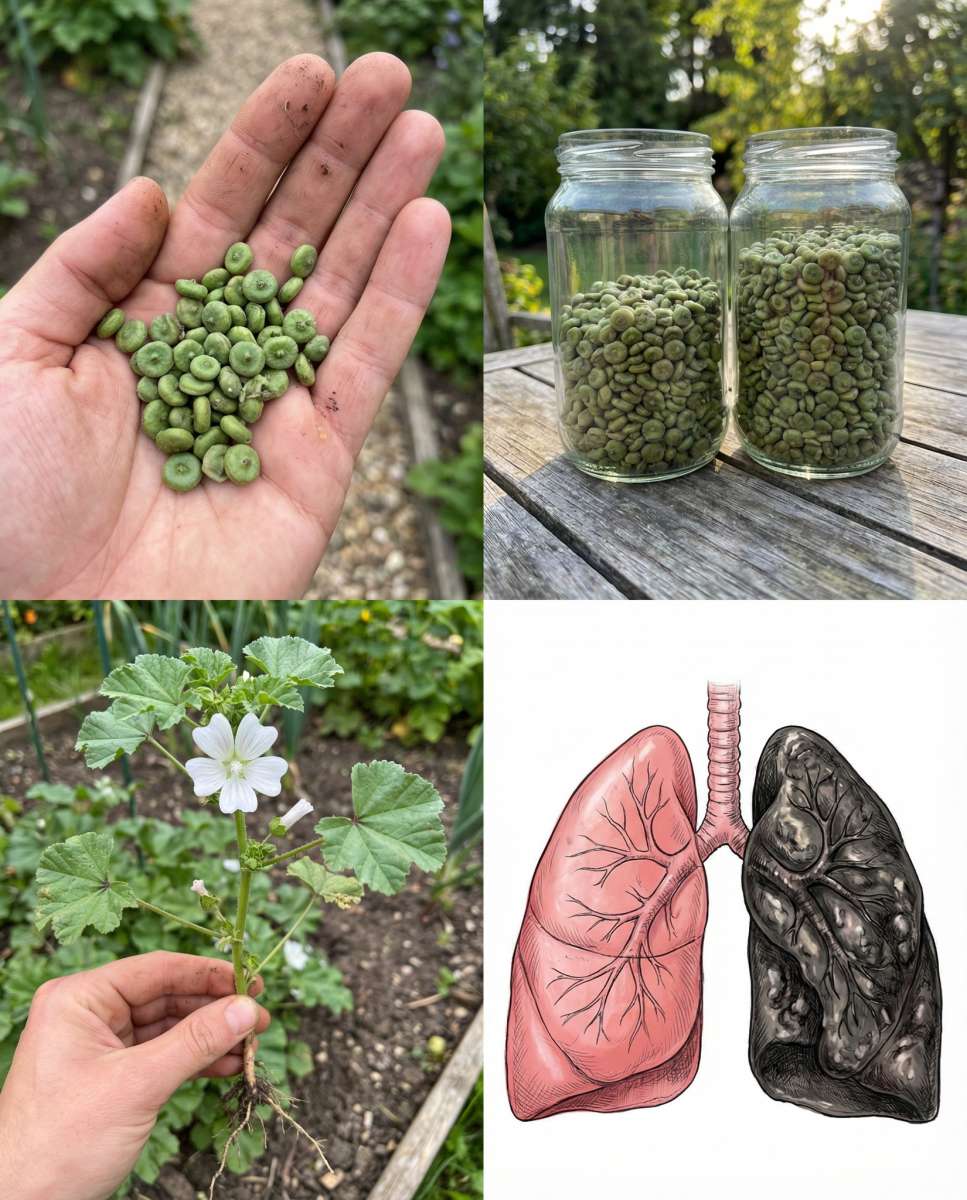
🌼 What Does Common Mallow Contain?
Common mallow provides a range of natural nutrients, including:
- Vitamins A, C, and K
- Minerals such as calcium, magnesium, and potassium
- Plant compounds like flavonoids and antioxidants
These nutrients support general health when included in a balanced diet.
🛡️ Potential Benefits (Based on Traditional Use)
1. May Support Digestion
Common mallow contains a natural gel-like substance called mucilage.
This may help:
- Soothe the digestive tract
- Ease mild stomach discomfort
2. May Provide Antioxidant Support
The plant contains antioxidants that may help protect the body from everyday cell stress.
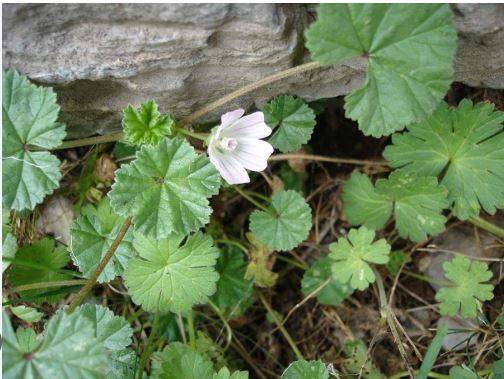
3. Traditionally Used for Respiratory Comfort
In herbal traditions, common mallow has been used to:
- Soothe coughs
- Help loosen mucus
👉 These uses are mostly based on tradition, not strong clinical evidence.
4. May Help Soothe Skin
When applied to the skin, common mallow may:
- Help calm minor irritation
- Provide moisture
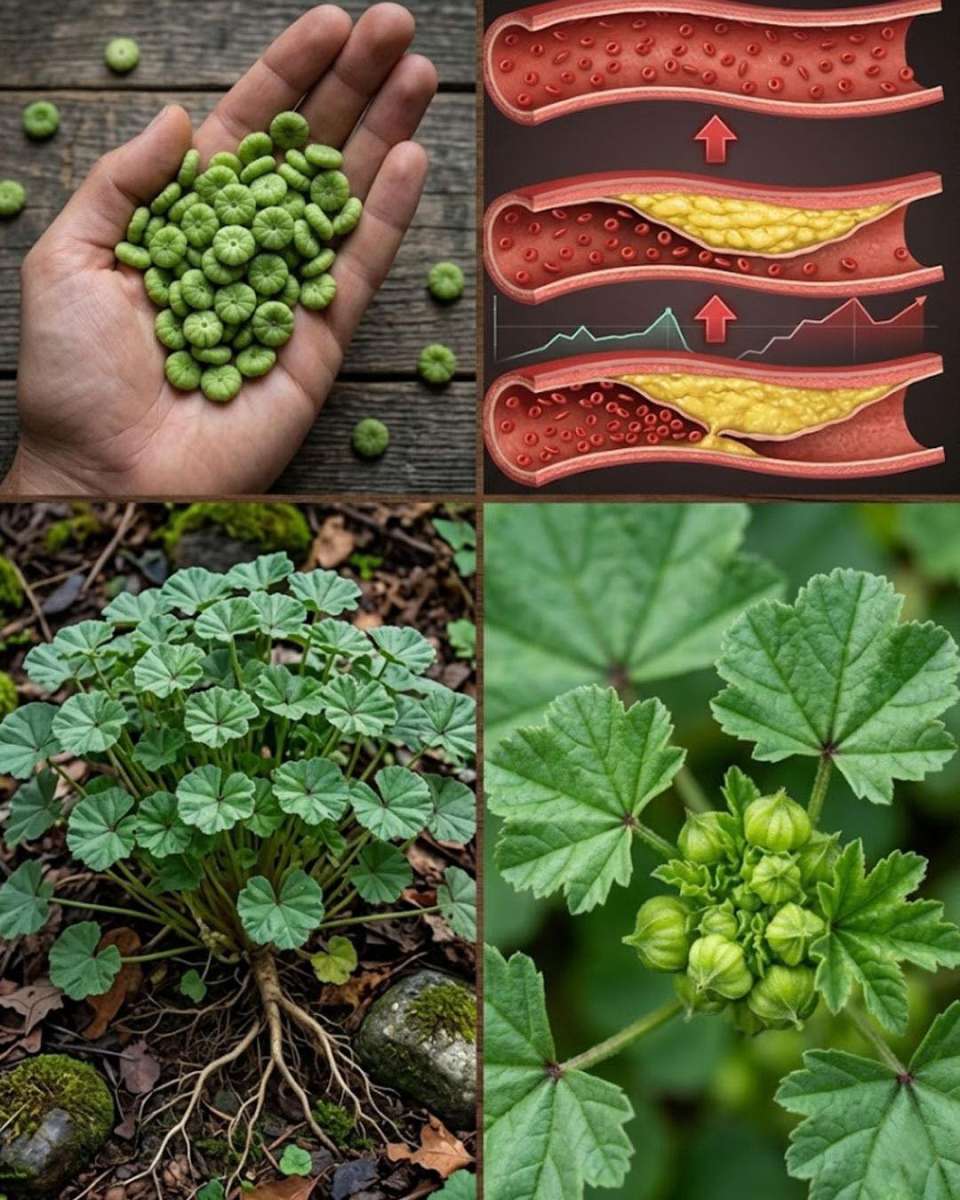
🥗 Can You Eat Common Mallow?
Yes — the leaves are edible.
People sometimes:
- Add them to salads
- Cook them like leafy greens
👉 Always make sure the plant is:
- Properly identified
- Collected from clean, safe areas
⚠️ Safety and Precautions
Common mallow is generally safe in small amounts as food.
However:
- It may not be suitable for everyone
- It can interact with medications
- Research on long-term use is limited
👉 If you have health conditions, talk to a healthcare professional first.
❗ Important Reminder
Common mallow is not a medicine.
It should not:
- Replace medical treatment
- Be used to treat serious conditions
💡 Final Thoughts
Common mallow is a simple plant with a long history of traditional use.
While early research and traditional knowledge are promising, more studies are needed.
For now, it’s best viewed as:
👉 a gentle, natural addition to a healthy lifestyle — not a miracle remedy.