After Roy Clark passed away in 2018, his family began the quiet task of sorting through his Tulsa, Oklahoma home. The sprawling estate held decades of memories from the country star’s life, but inside one long-forgotten closet, they uncovered a collection that left his loved ones speechless—a side of the entertainer that millions who watched him on television never knew existed. Born on April 15, 1933, in Meherrin, Virginia, Clark grew up as the child of a tobacco farmer in a musical household. His father played banjo, fiddle, and guitar, while his mother played piano.
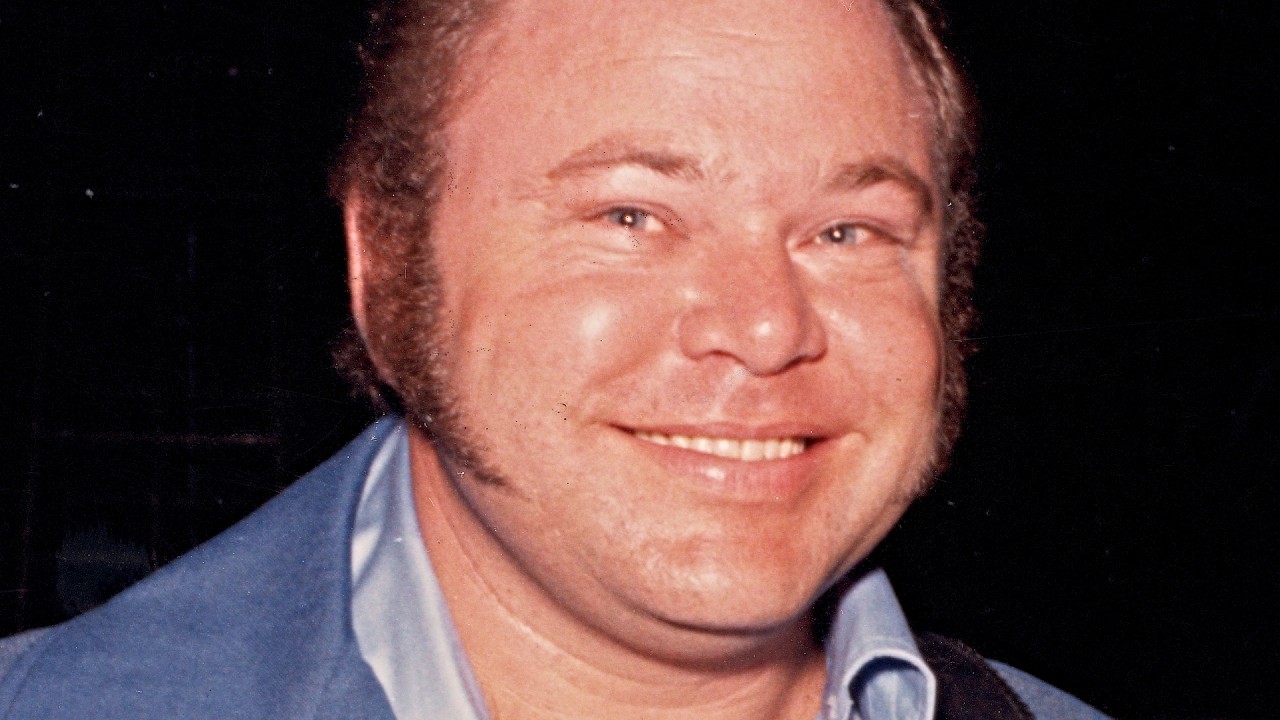
The family eventually moved to Washington, DC, where young Roy found access to a lively community of musicians, and his natural shyness became the first obstacle he had to overcome. Country music was not considered cool by his classmates, so he developed humor as a shield, using laughter to hide his nerves and connect with others. Underneath the jokes was a serious musician. His father taught him guitar when he was 14, and he quickly expanded to banjo and mandolin.
By 1947, at age 14, Clark had won the National Banjo Championship, and he won it again the following year. He earned his first professional payment—$2—for playing in his father’s band at 15, and made his television debut on WTTG in Washington at 16. The following year, he appeared on the Grand Ole Opry after his second banjo championship. Over the next decade, Clark toured extensively, playing backup for established performers, and at 23, he earned his pilot’s certificate and purchased a Piper Tri-Pacer, beginning a lifelong love of flying.
In 1954, rising star Jimmy Dean invited Clark to join his band, the Texas Wildcats. Clark became the lead guitarist and appeared alongside Dean on radio and television programs in the DC area. In 1956, he competed on Arthur Godfrey’s Talent Scouts, finishing second in his first network television appearance. Dean later fired Clark in 1957 over his habitual lateness—a setback that pushed Clark out of Washington and into a much larger world.
By 1960, Clark was performing in Las Vegas with Hank Penny’s band and alongside rockabilly star Wanda Jackson, learning how to command a room. His connection with Jackson introduced him to talent agent Jim Halsey, who represented him for the rest of his career. Within a couple of years, Clark had gone from backing other performers to headlining in Las Vegas himself. Television continued to call.
During Jack Paar’s temporary absence from The Tonight Show in 1960, guest host Jimmy Dean gave Clark an appearance on the final night of his stint. Clark returned for his solo debut on the program in January 1963. He also appeared on The Beverly Hillbillies, where he played two different characters, and showed off his musicianship on The Jackie Gleason Show and The Odd Couple. By the mid-1960s, he was hosting Swingin’ Country, a daytime NBC variety show that lasted two seasons but proved he could carry a program.
The defining moment came in 1969, when Clark teamed up with Buck Owens to host Hee Haw. The country comedy show premiered on June 15, 1969, as a summer replacement series and became one of the biggest television successes of its era. Set in the fictional Cornfield County, the program combined corny jokes, exaggerated rural characters, and musical performances from the biggest names in country music. Clark’s mix of virtuoso guitar playing and easy humor made him one of the show’s defining personalities.
Hee Haw ranked number 16 during the 1970–1971 television season, but CBS dropped it in 1971 as part of the so-called rural purge. The cancellation gave the show an unexpected second life in syndication, where individual stations picked it up and kept it going. The show lasted 25 seasons before ending its original run in 1993, and reruns continued appearing on television for years, including runs on TNN and RFD-TV, with later airings on Circle. In 2024, reruns returned to RFD-TV, proving the show still had an audience decades after the cameras stopped rolling.
Clark’s career expanded far beyond Hee Haw. He joined the Million Dollar Band, performed with major orchestras, and opened the Roy Clark Celebrity Theater in Branson, Missouri, helping establish the town as an entertainment destination. By the early 1970s, he was reportedly earning millions of dollars a year. On July 4, 1984, he returned to Washington, DC, the city where he had grown up as a shy young musician, and performed before a crowd of more than half a million people.
While the public knew Clark as the cheerful entertainer, his private life remained largely out of sight. His first marriage was to Lois J. Dart, a relationship that ended in divorce and remains mostly undocumented. In 1979, he married Joyce “Joy” Langley, and their marriage lasted nearly four decades, ending only with Clark’s death.
The blended family required adjustment, and Joy remained by his side as health problems including complications from diabetes began to take a toll in his later years. Clark died on November 15, 2018, at his Tulsa home at age 85, from complications of pneumonia. He left behind not only a musical legacy but a private world that fans never saw. For more than 40 years, he and Joy had lived in the C.
W. Titus Mansion, a sprawling Tudor-style estate built for an oil millionaire in the early 1930s, with dozens of rooms, numerous bathrooms, and a built-in pipe organ. His personal collection reflected different chapters of his career. Among his guitars were heritage instruments, Fender and Gibson models, including a 1963 sunburst Fender Jazzmaster featured on the cover of The Lightning Fingers of Roy Clark, along with Fender Jaguars and Gibson Birdlands.
His garage held extraordinary reminders of his success. After his death, seven vehicles from his estate were offered at auction, including a 1964 Rolls-Royce Phantom V limousine he had owned for over four decades, a 1957 Ford Thunderbird, a 1963 Pontiac Bonneville Safari, a 1954 Ford Crestline Sunliner, a Jeep CJ5, a Plymouth Fury, and a Lincoln Continental. As his family sorted through the mansion room by room, they were confronted with reminders of the man they had known away from the cameras. But somewhere inside that enormous home was a closet that held something especially unexpected—kept away, quietly tucked out of sight.
When his family finally came across what was inside, they were left with a discovery that offered a very different glimpse into the private world of Roy Clark.