The old winter playbook handed down from the 1960s contains twenty-five blizzard survival tricks, and while no law was ever passed against them, five of those habits now stand in direct opposition to what FEMA, the Centers for Disease Control and Prevention, and fire safety groups recommend today. The other twenty still hold up, some repeated in modern guides almost word for word. The list begins with a simple piece of advice that still works exactly as it did decades ago: keep a hand mirror by the window. Once the snow stops and the sun breaks through, a small mirror can flash light toward a plow, a neighbor, or a rescue crew.

The trick needs direct sunlight, so it serves after the storm rather than during a whiteout. Kept with a flashlight and a radio, it becomes a signal that never needs batteries. The old guidance added a practical detail: tape a note to the back of the mirror noting which window faces the road, so there is no fumbling in a hurry. Warm air rises, and the attic hatch is often the leakiest spot in a ceiling, typically a thin board surrounded by gaps.
The old fix involved laying a heavy folded quilt over the hatch and weighing it down. Modern guides suggest foam board and weather stripping, but the quilt still works in a pinch, slowing the loss of heat already paid for and taking only five minutes to set up. The hot water bottle wrapped in flannel has never gone out of style. Fill a rubber bottle with hot water, not boiling, wrap it in flannel to prevent burns, and carry it on the lap, against the belly, or at the foot of the bed.
The cloth slows the heat, so one fill lasts a couple of hours. Check the bottle for cracks before winter and never lie on it with bare skin. Filling containers with water before the storm remains standard advice. Winter storms knock out power, and in some homes that means no pump and no water.
The old habit was to fill pots, jugs, and the bathtub before the first flakes fell. Emergency planners still say the same thing: store water ahead of time and keep it in the warmest part of the house so it does not freeze. Plan on about a gallon per person per day, and label the jugs meant for drinking so nothing gets mixed up in the dark. One trick has earned its place on the skip list: sleeping under the mattress.
The old advice was to slide bedding under the mattress and sleep between the mattress and bed frame, using the mattress as a roof. The problem is that a heavy mattress can shift or press down during the night, and no modern winter safety guide recommends it. Layering blankets, wearing a hat to bed, and adding a hot water bottle at the feet provide warmth without the risk of being pinned under one’s own bed. For those heating with a wood stove, setting a wide pan of water on top adds moisture to dry indoor air, easing cracked lips and dry skin.
It will not raise the temperature, but it costs nothing and uses a stove already running. Keep the pan stable and away from children and pets. A bowl on a radiator or a small humidifier does the same job for furnace-heated homes. Long storms wear on the mind as well as the body.
The old advice was to wake at the same time, eat at the same times, and keep small jobs going, like winding the clock or writing the day down in a notebook. A routine keeps people doing sensible things like eating, drinking water, and checking the temperature when it would be easy to just sit and wait. A daily phone call to a friend doubles as both routine and safety check. Old single-pane glass loses a great deal of heat.
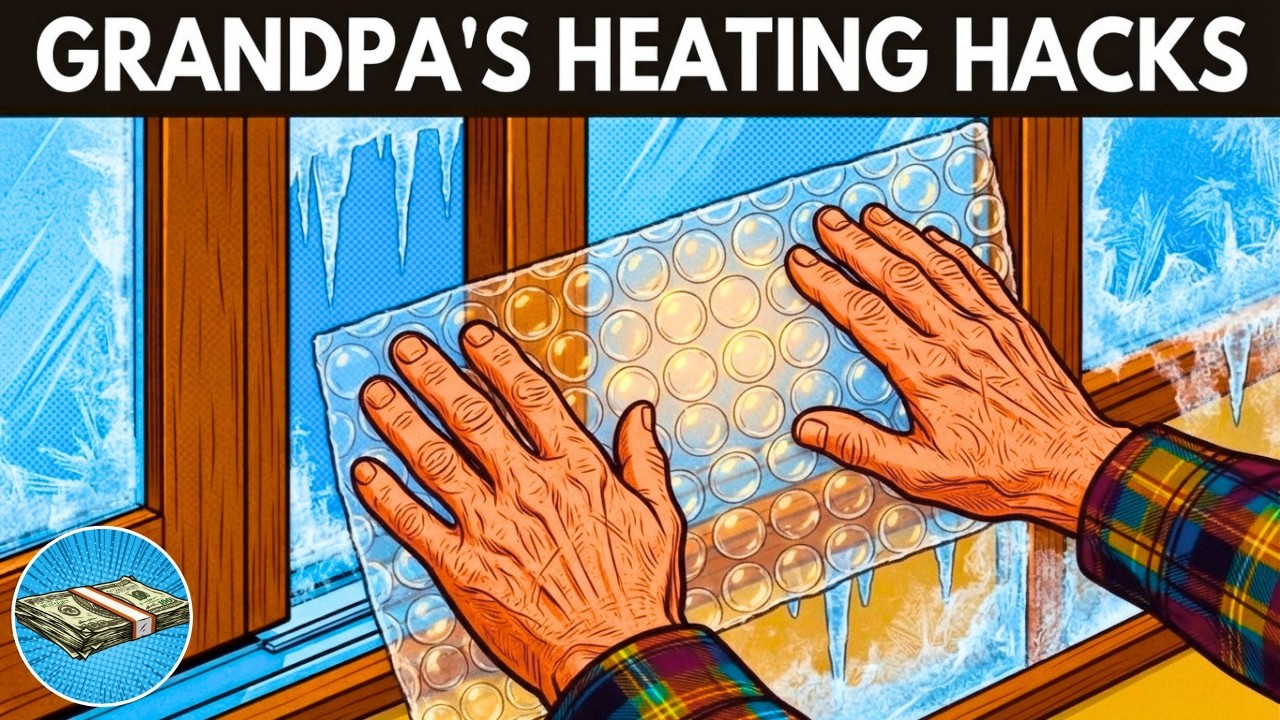
Taping wax paper over the glass, the old approach, could not do much. The modern version uses clear plastic window film or even bubble wrap pressed onto wet glass, both trapping a layer of still air that slows the cold. Heavy curtains closed at sunset help as well. Do it before the storm, starting with the room where you spend the most time, and leave one window clear so you can still see out.
Wet boots are one of the fastest ways to get cold. The old advice was to rub melted animal fat into leather boots before winter, but a tin of boot wax or leather conditioner does the same job today without going rancid. Treat boots before the storm, let them dry fully between uses, and keep a spare pair of dry wool socks within reach. Stuffing wet boots with crumpled newspaper overnight pulls out the moisture at no cost.
Before phones, neighbors used a light in a window to signal all was well. The National Fire Protection Association still includes checking on neighbors in its winter storm advice, and the easiest way is to agree on a signal ahead of time: a phone call at the same time each morning, a text, or a porch light left on. If the check-in does not happen, you know to knock or call for help. Setting it up before the storm while roads are clear, along with giving that neighbor a spare key, prevents anyone from having to force a door in a snowstorm.
When snowed in, it is easy to guess wrong about food, medicine, and fuel. The old advice was to keep a handwritten list on the kitchen wall and cross things off as they were used. Counting food, water, batteries, and days left on medicines the day before the storm allows rationing calmly instead of guessing, and it reveals early whether help is needed from a neighbor or family. Put the list on the refrigerator door in big print.
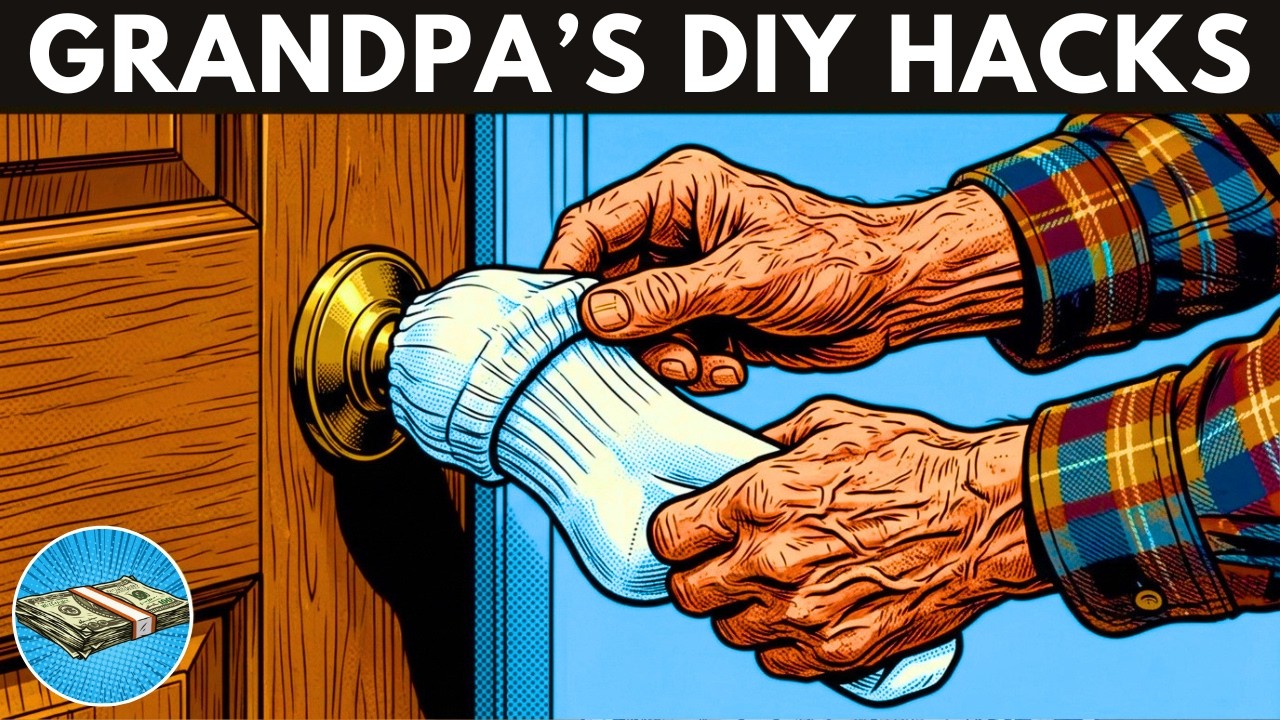
Every time a door opens in a cold house, heat pours out. A tightly rolled blanket or thick towel pressed against the bottom of the door, and the sides if there are gaps, blocks the draft and keeps warm air inside. This trick works as well today as it ever did and costs nothing. The same applies to doors leading to cold garages, porches, and basements, which leak just as much as the front door.
One old habit has been firmly crossed off the list: heating the kitchen with the oven. The CDC says never to heat a house with a gas oven because it can fill the home with carbon monoxide, a gas you cannot see or smell. FEMA and the American Red Cross both repeat the warning. If the furnace is down, move into one small room, close the door, layer up, and use a hot water bottle.
Keep a battery-powered carbon monoxide alarm near where you sleep. Pacing yourself in the snow remains sound advice. The old version involved laying boards over deep snow to walk on and save strength. The modern version is simpler: take frequent breaks when shoveling to avoid injury and strain on the heart.
Clear a little, rest, warm up, and clear a little more. Push the snow rather than lifting it, and keep a bag of sand or cat litter by the door for grip on steps. Wet clothing pulls heat away from the body, and getting soaked in the cold is dangerous. The old habit was to keep dry long underwear, wool socks, and a dry shirt sealed in a pillowcase in the warmest room.
If someone comes in wet, they change right away. The Mayo Clinic’s frostbite first aid advice starts with getting out of the cold and removing wet clothes. Add a hat and dry mittens to the pillowcase, since hands and heads lose heat fastest. Taking a shot of whiskey to warm up sounds like the coziest idea on the list, but it is on the skip list.
Alcohol only makes you feel warm while actually causing you to lose body heat. The CDC calls drinking alcohol in cold surroundings a dangerous practice and lists it as a risk factor for hypothermia. Older adults are already at higher risk because the body has a harder time making heat and noticing the cold. Warm food and drink, on the other hand, remain a solid recommendation.
A pot of oatmeal or soup kept warm all day, along with regularly eating, gives the body fuel to make heat. The Mayo Clinic recommends a warm, non-alcoholic drink. Keep oatmeal, canned soup, tea, and cocoa on hand, fill a thermos before bed for something hot in the morning, and keep a few days of food that needs no cooking in case the stove is out too. Knowing how cold the house really is matters.
The old method of hanging wet laundry and seeing whether it stiffened has been replaced by a five-dollar thermometer that gives an actual number. Put one in the room where you spend the day and one where you sleep. If the numbers keep dropping and you cannot get warm, that is the time to layer up, move into one smaller room, or leave. FEMA advises planning to go somewhere else during a long outage.
Do not wait until you are shivering to decide. Keeping dry kindling inside for a wood stove or fireplace remains practical. Digging wood out of a snowbank in a storm is miserable, and wet wood will not light. Keep a box of dry kindling and a few logs a safe distance from the stove or fireplace, never against it, and have the chimney cleaned before the season.
The most dangerous skip-list item is bringing a charcoal grill inside for heat. Burning charcoal gives off carbon monoxide, which can cause sudden illness and death. The CDC says never to use a charcoal grill, camp stove, or generator inside the home, basement, or garage. If cooking outside during an outage, keep the grill at least twenty feet from any window, door, or vent.
Heat the person, not the house, with hot water bottles, mittens, layers, and a hat. Marking a path before the storm remains useful. Whiteouts make it easy to lose your way even in your own yard. The old habit was tying strips of bright cloth to fence posts and stakes leading to the shed, well, or mailbox.
Do it before the snow starts with bright tape or a rope line, and tell someone before going out. Carrying a metal spoon to warm a frostbitten finger is another skip-list item and the one that worries experts most. The CDC says not to rub or massage skin that may be frostbitten. Instead, get out of the cold, warm the area in warm rather than hot water, or tuck frostbitten fingers into an armpit.
Never use direct heat from a heating pad, stove, or fireplace. Frostbite should be checked by a healthcare provider, especially if skin looks white or grayish-yellow, feels waxy, or has gone numb. Planning a second way out remains essential. The old habit was packing down snow outside a window in case a drift blocked the front door.
The National Fire Protection Association gives the modern version: plan two ways out of the home in case of emergency, keep the driveway and front walk clear of ice and snow, and keep a flashlight by the bed. Walk the second exit now and make sure the window opens. Keep the snow shovel inside the house, not in the shed, because a shovel on the far side of a drift is useless. Keeping a battery radio still matters.
Before smartphones, the radio was how people learned how long a storm would last. Emergency groups still say to listen to a weather radio or portable radio because phones and cell towers can fail. A battery radio saves the phone for calls that matter, and a hand-crank radio with a built-in flashlight needs no batteries and can charge a phone in a pinch. The oldest idea on the list, and the one fire safety groups still repeat today, is keeping someone watching the fire or letting an alarm do it.
The old advice was taking turns staying awake overnight to tend the fire and watch for trouble. Today, the National Fire Protection Association says to test smoke alarms every month and install carbon monoxide alarms. The American Red Cross notes that heating is the second leading cause of home fires. For those living alone, those alarms are the night watch.
Check batteries before winter, put a carbon monoxide alarm near where you sleep, and never run a generator or burn charcoal inside. Alarms cost less than a tank of gas, and they work while you sleep.