Most people assume a can of WD-40 exists for one purpose: silencing a squeaky hinge. But the familiar blue-and-yellow can holds a far broader reputation among those who remember the old ways of doing things. A single can, kept close at hand, quietly resolves dozens of small daily frustrations around the house, particularly for someone living alone or coping with hands that are no longer as strong as they once were. None of these tricks require special skill or expensive equipment.
Each one simply applies the same basic principle: a light coat of penetrating oil that frees what has seized, quiets what has groaned, and protects what would otherwise freeze again. The most common nuisance is the door hinge that creaks in the middle of the night. The noise comes from rust and grit trapped inside the joint, not from the hinge itself being worn out. A short spray directly into the hinge pin, followed by working the door back and forth a few times, lets the oil reach the actual source of the sound.
The door swings silently for months afterward, which matters far more to someone lying awake in a quiet house than it does to anyone who hears it only in passing. The same approach frees a stiff deadbolt. A lock that resists a hard twist every night becomes a small daily struggle, and it grows worse in cold weather. Spraying a brief burst into the keyhole and working the key in and out without turning it coats the internal pins and tumblers, allowing them to move freely again.
A lock that turns with ease removes one more reason to put off securing the front door before bed. Windows painted shut or swollen from humidity present a similar problem. A window that demands two hands and real effort just to let in fresh air becomes a genuine obstacle when grip strength has faded. Spraying along the track on both sides, waiting a few minutes, then gently working the window up and down spreads the oil through the channel.
What once required a shove now opens with a light push. Drawers that stick and jerk open all at once wear on a shoulder faster than most people realize. Spraying the runners on both sides, sliding the drawer in and out a few times, and wiping away the excess lets it glide smoothly instead of fighting whoever opens it every single day. A bed frame that creaks with every turn makes for a restless night, usually because of one metal joint.
Spraying directly into the connection point and working the frame gently spreads the oil through the joint, and a single treatment keeps the bed quiet for months. A faucet handle that has grown stiff from mineral buildup and grit turns the simple act of washing hands into a battle with sore hands. Spraying around the base of the handle where it meets the fixture, letting it sit, and working it back and forth dissolves the buildup rather than merely masking the problem. An umbrella that refuses to open when rain starts is worse than not having one at all, because it wastes precious dry seconds fumbling at the door.
Spraying the sliding mechanism where the ribs meet the center pole, then opening and closing it a few times, makes it snap open reliably from then on, provided it is treated once a season. Padlocks that appear broken are often not broken at all. They are simply full of dried grit. Spraying directly into the keyhole and working the key gently in and out usually brings the lock back to life, whether it is on a shed, a gate, or an old toolbox.
The same principle applies to rusted bolts, nuts, and screws that start to strip. A direct spray, left to soak for ten to fifteen minutes, breaks the bond between rust and metal, allowing the hardware to turn free instead of worsening the problem. A bathtub drain stopper that has become hard to lift or no longer seals properly makes a simple bath a chore. Spraying around the stopper mechanism, working it up and down a few times, and rinsing thoroughly before bathing restores it to proper function.
Sticker residue on jars and new purchases yields to a small spray and a cloth wipe, dissolving the adhesive without the scrubbing that leaves a sore thumb behind. Black scuff marks on floors and baseboards lift off most hard flooring and painted surfaces with a cloth sprayed lightly and wiped in a circular motion, followed by a damp pass to remove any leftover residue. Crayon and marker marks on walls after a visit from grandchildren come off the same way, saving both the paint and the memory of the visit. A squeaky walker or wheelchair wheel announces every step and grows genuinely tiring to listen to all day.
Spraying a light coat under the wheel axle or folding joint, rolling it back and forth, and wiping away the excess lets someone move through the house at any hour without drawing attention. A walker that has become hard to fold or unfold frustrates daily, especially when getting in and out of a car alone. Spraying the hinge points where the frame folds and working the mechanism open and closed restores smooth operation. The spring-loaded button on an adjustable cane can seize from grit just like a lock, and a small spray around the button and the holes along the shaft lets the cane adjust to the proper height every time, which matters more for balance than most people realize.
A wheelchair brake that has grown hard to engage is a genuine safety issue. Spraying the lever pivot and the point where it contacts the wheel, working it several times, and wiping away any excess ensures the brake locks with light pressure and actually gets used every time it is needed. Outdoor problems respond just as well. A mailbox lid that sticks or refuses to latch leaves mail exposed to the weather.
Spraying the hinge and latch mechanism and working the lid open and closed a few times keeps it moving freely through every season. Hard water spots on a glass shower door resist regular cleaner no matter how hard the scrubbing. A small spray onto a soft cloth, wiped in circular motions and rinsed thoroughly afterward, returns the glass to clarity. Grass clippings cake under a mower deck, making it heavier to push and cutting less evenly.
A light coat sprayed on the underside before mowing keeps wet grass from sticking, so cleanup afterward takes a rag instead of a scraper. A garden hose connector corroded onto the spigot turns watering into a wrestling match. Spraying the threads and letting it soak a few minutes lets a corroded fitting come apart by hand with surprising ease. Rusted patio furniture joints that refuse to fold get a spray on each joint and a few working motions, after which the furniture gets used instead of sitting collapsed in the garage.
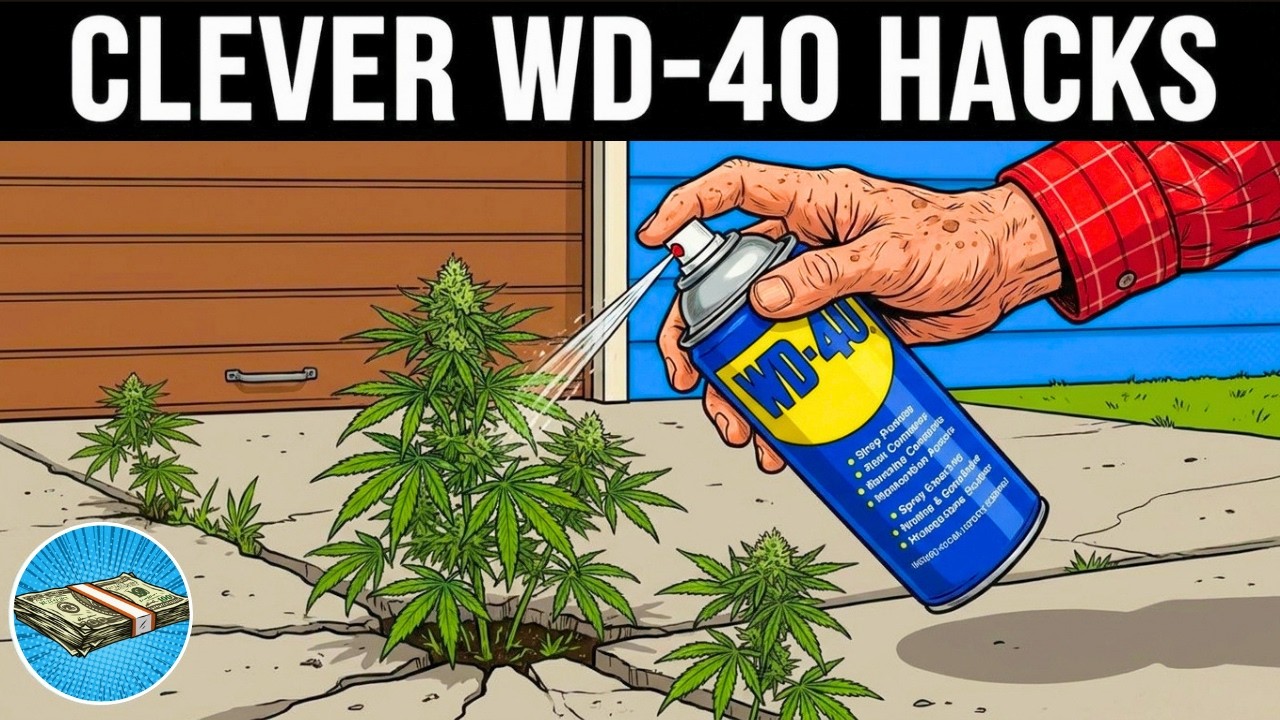
A porch swing that creaks with every motion or a gate that groans with every opening goes quiet after spraying the chain links or hinge pins and moving it through its full range. Spraying cracks in patios and walkways slows weeds pushing through, though the source includes an honest caution: keep the spray strictly to hard, isolated cracks, away from open soil, garden beds, and anywhere pets or grandchildren walk barefoot. A car door handle frozen shut on a cold morning wastes precious minutes standing outside. Spraying around the handle and the door seam the night before a hard freeze displaces the moisture that would turn to ice.
Tree sap on a car’s paint, hardened within days and resistant to soap and water, softens with a direct spray and a soft cloth wipe without harming the clear coat. Battery terminals protected with a light coat after cleaning resist the moisture that causes corrosion to creep back. A stiff gas cap loosens with a spray around the threads. Road grime on a license plate wipes off with a spray and a rinse, no scrubbing required.
In freezing weather, the rubber tips on a walker or cane can stick to an icy porch step or sidewalk just long enough to catch someone off guard. Wiping a very thin coat onto the bottom of each tip before heading out keeps the rubber from bonding to the ice, and wiping off any excess ensures the tip still grips normally. A snow blower chute that keeps clogging turns a short job into an hour of stopping and clearing by hand. Spraying the inside of the discharge chute and the auger housing before starting keeps wet snow from sticking and packing.
A fine chain necklace knotted into a tight tangle yields to a tiny spray on the knot and a pin or needle working the links apart, letting them slide against each other instead of catching. An outdoor spigot that freezes overnight leaves no water when winter chores need it most. Spraying the handle and the valve stem before a hard freeze keeps moisture from settling into the mechanism. A ring stuck on a swollen finger slides off when a small amount is sprayed around the finger and the ring itself, then gently twisted toward the knuckle, with thorough washing afterward.
A stiff curtain rod bracket, a stuck recliner footrest lever, a squeaky rocking chair, a tight jar lid sprayed only around the outer rim where metal meets glass, a seized screen door closer, a stiff medicine cabinet hinge all respond to the same treatment. A set-in grease stain on clothing that has already been through the wash comes out when a small amount is sprayed under the stain, left to sit, worked with clear dish soap, rinsed from the back of the fabric, and washed as usual, with one rule above all: air dry and check the spot before it ever sees the dryer, because heat sets any grease left behind for good. The habit that matters most is simple: after using the can to free something, reapply a light coat once a year before the problem returns. One can in the kitchen drawer and one in the garage turns the next squeaky hinge or stiff lock into a thirty-second fix instead of a daily irritation.
The source closes with a necessary warning: WD-40 is not food safe and is not meant for rubber seals or anything that touches skin for long periods, so it belongs on hardware, metal, and outdoor jobs. That one blue-and-yellow can, used the way the old-timers used it, quietly handles more of daily life than most people ever give it credit for.